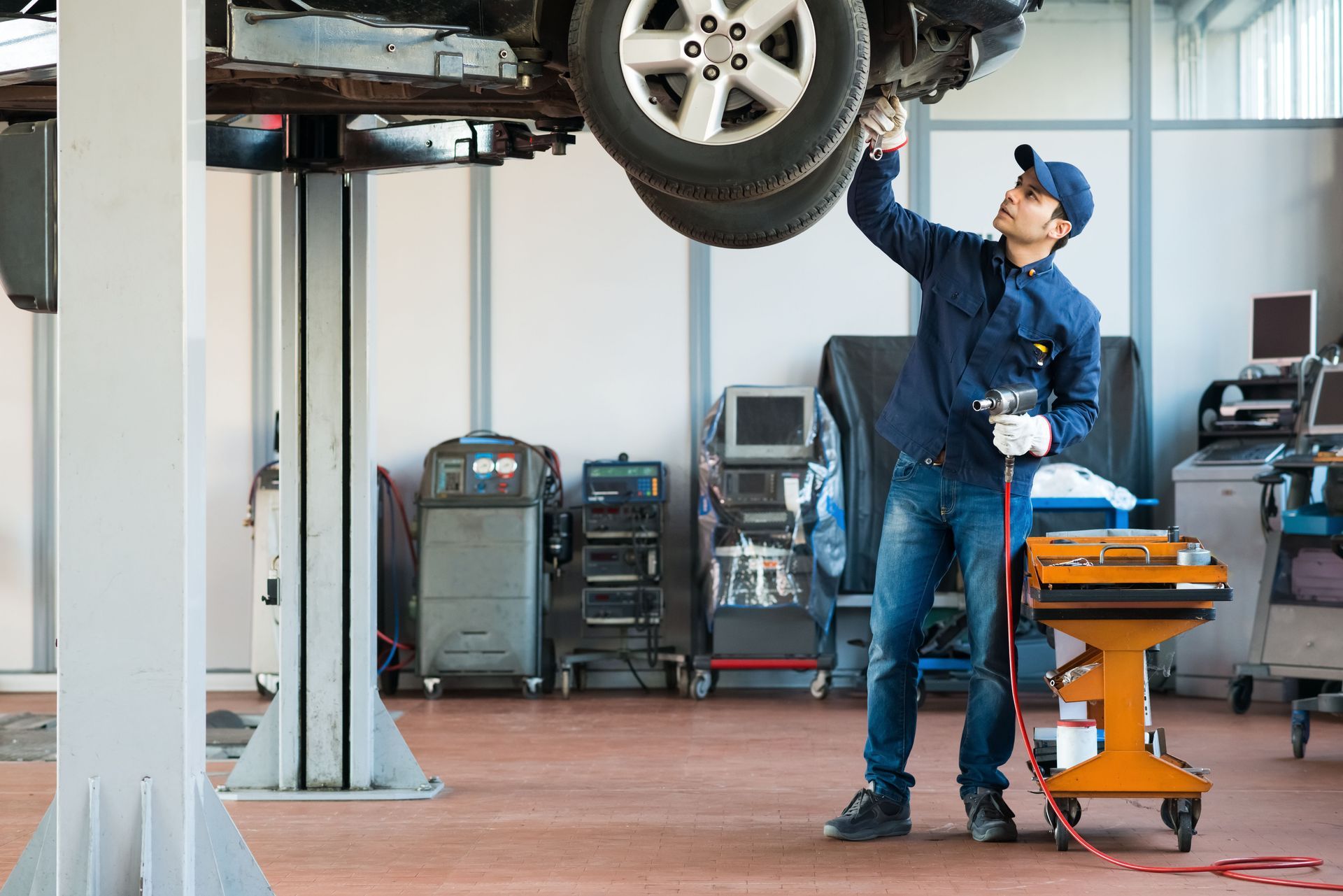
Restore your vehicle's finish with an auto body shop offering expert dent repair, precision paint matching, and collision damage fixes.

Knowing what a collision repair will cost helps you plan, and avoid surprises. This guide walks Charlotte drivers through the main factors that shape repair estimates, explains how Deluxe Paint & Body Works builds fair, accurate quotes, and shows how to handle insurance so repairs move smoothly. Read on to learn what affects pricing, typical price ranges for common fixes, and why local customers trust Deluxe with their vehicles.
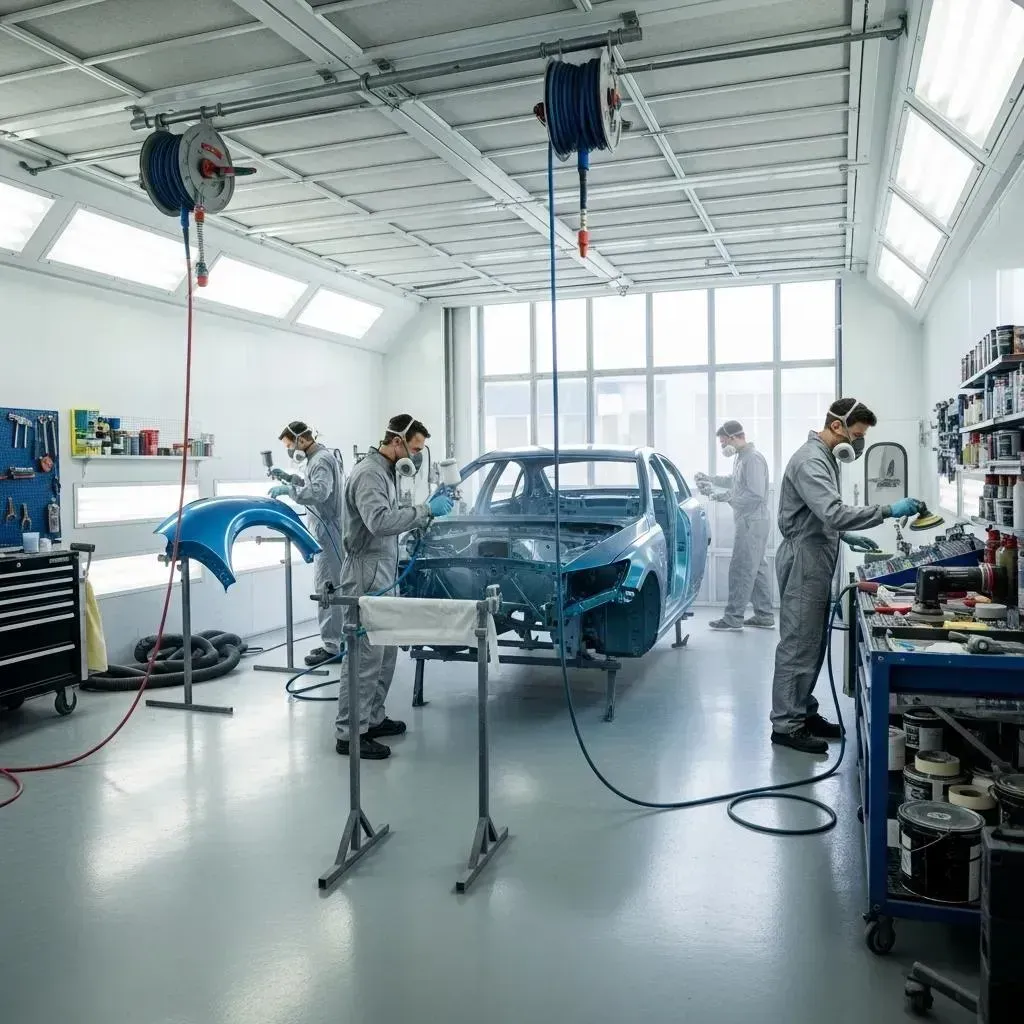
A professional auto paint repair does more than refresh your car’s look — it protects the metal underneath and prevents small damage from turning into costly problems. This guide walks Charlotte drivers through what professional paint repair covers, why it matters for durability and resale, and how trained techs deliver a showroom-quality finish built to last. You’ll get clear, practical info on the main benefits, modern color‑matching tools, step‑by‑step shop processes, how repairs work with insurance, and why warranties matter when choosing a provider. We’ll use terms like primer, basecoat, clear coat, spectrophotometer, and OEM‑quality paint so you can make informed decisions about collision or cosmetic work. What Are the Key Benefits of Professional Auto Paint Repair? Professional auto paint repair restores painted surfaces using a layered approach that protects metal, matches factory finishes, and brings back curb appeal. The work combines careful surface prep, removal of corrosion, primer for adhesion, a color-accurate basecoat, and a protective clear coat to produce both functional protection and a seamless look. The main advantages are rust prevention, higher resale value, improved durability, and a factory-like finish that reassures buyers. Knowing these benefits helps owners decide which repairs to prioritize to preserve their vehicle’s condition and marketability. Pro work usually outperforms DIY fixes because technicians control temperature and humidity, use calibrated color tools, and apply OEM‑quality materials that resist fading and delamination. Below we explain how multi-layer paint systems seal exposed metal and block moisture to stop rust. The primary benefits of professional paint repair include: Rust Prevention : Proper cleaning, corrosion removal and sealing keep moisture off the metal. Aesthetic Restoration : Color‑matched finishes restore your vehicle’s original appearance. Resale Value Preservation : Professional, documented repairs reduce depreciation and buyer concerns. Durability : Multi‑layer systems withstand UV, chemicals, and wear longer than quick spot fixes. These gains are easier to see when you understand how paint layers work together to prevent corrosion and protect value. Before the technical breakdown, here’s a clear side‑by‑side look at top benefits and likely outcomes to help you decide whether to repair now or wait. Different paint repair benefits operate through specific mechanisms to produce predictable outcomes.
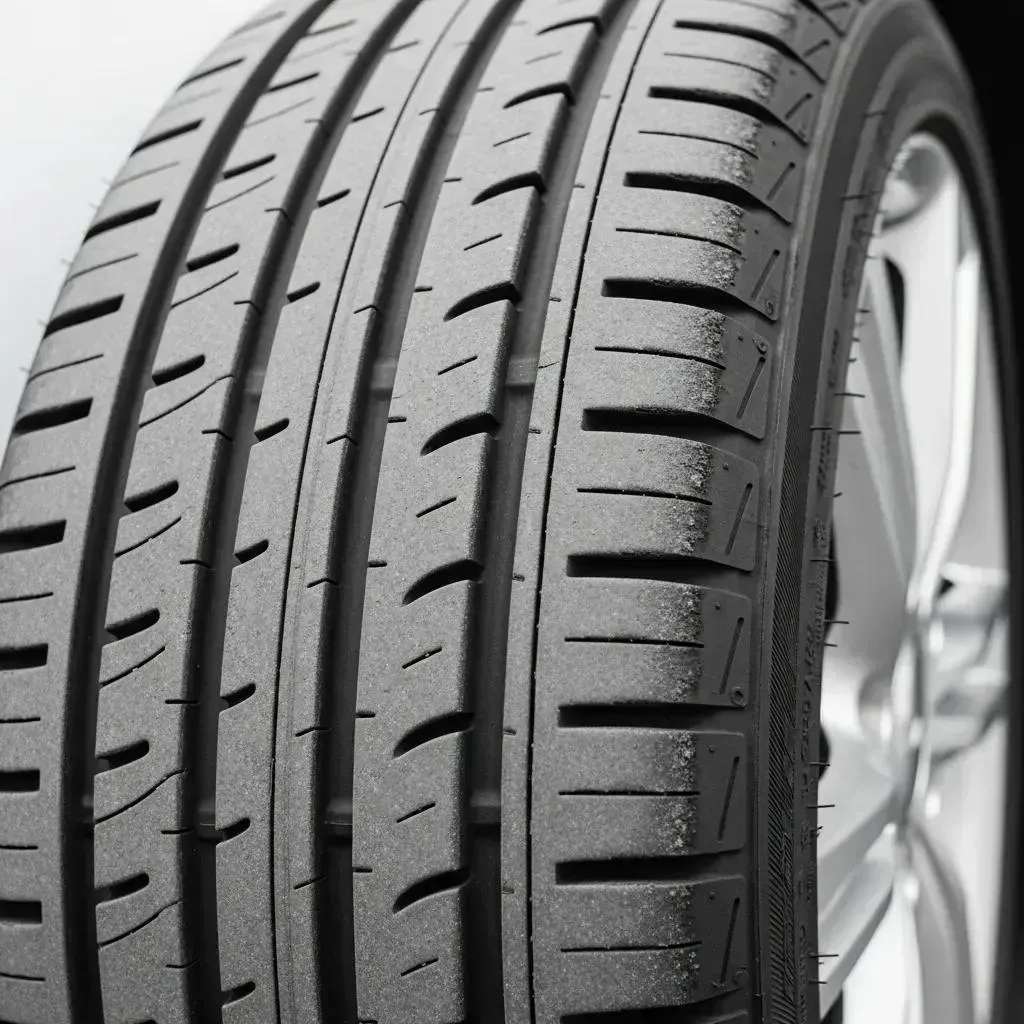
Wheel alignment means adjusting your vehicle’s wheel angles — camber, toe, and caster — so they match the manufacturer’s specs and work together for steady handling and even tire wear. A correct alignment sharpens steering, can help fuel economy, and prevents uneven tire wear. Catching alignment issues early avoids bigger repairs and keeps you safer on the road. This guide walks through the most common warning signs, simple at-home checks, and when to bring your car in for professional diagnostics and ADAS calibration around Charlotte. We’ll show you how to read tire wear, notice steering cues, and prioritize incidents — like hitting a pothole — that deserve immediate attention. We’ll also cover the benefits of timely alignment, how often to schedule service, and why ADAS-capable local shops matter for newer cars. What Are the Key Signs of Bad Wheel Alignment? Alignment problems usually show up as handling changes, odd tire wear, or steering oddities. Misaligned suspension geometry forces tires to run off true and puts uneven pressure on the tread. Spotting issues early preserves tires and prevents extra wear on suspension parts. Below is a short, practical checklist of the most common signs to watch for — quick to scan and useful for deciding your next move. Common signs that indicate you need a wheel alignment: Your car pulls to one side while driving straight : You have to keep steering to stay in your lane. Uneven tire wear across tread edges : The inner or outer tread is noticeably worn compared with the center. A crooked or off-center steering wheel : The wheel sits tilted when you’re driving straight. Vibration or shaking at higher speeds : A vibrating steering wheel can point to alignment, balance, or suspension problems. Squealing tires or wandering steering : Unusual noises and instability often come with misalignment or worn parts. Use these signs to decide whether a quick visual or pressure check will do or if you should get a professional alignment. If multiple symptoms appear together — for example, pulling plus uneven wear — book diagnostics soon to avoid faster tire and component damage. If you drive in Charlotte and deal with potholes or frequent curbs, we recommend a prompt inspection when you notice any of the signs above. For persistent pulling or uneven wear, call Deluxe Paint & Body Works at 704-900-2393 to schedule an alignment diagnostic or request a quote; same-day or quick-turn options may be available to get you back on the road safely. Why Does My Car Pull to One Side? If your vehicle drifts to one side, the steering forces aren’t balanced. Common causes include mis-set camber or toe angles, uneven tire pressure, brake drag, or side-impact damage to suspension parts. When camber tilts a tire, the contact patch shifts and produces lateral force; toe misalignment makes tires scrub and pull. Do basic at-home checks first — confirm tire pressures, look for rim or tire damage, and test on a calm, level road — to rule out simple fixes. If those checks look normal, a professional suspension inspection and alignment diagnostic can pinpoint issues like worn tie rods, bent control arms, or subframe offsets. Fixing the root cause restores handling and helps tires last longer. How Does Uneven Tire Wear Indicate Alignment Issues?
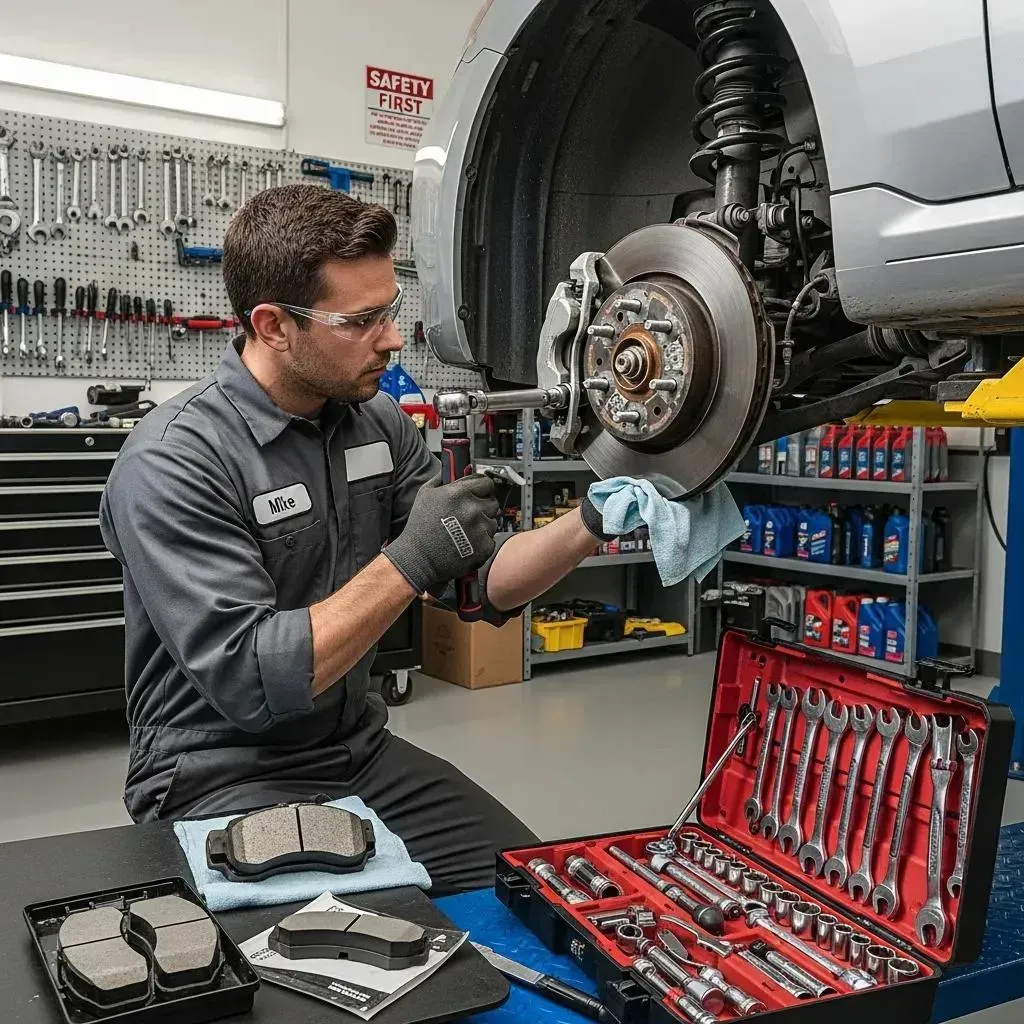
Good brakes keep you safe in Charlotte traffic. This guide walks you through how to spot brake problems, the common repair options, and why timely service protects safety and performance—whether you drive the daily commute or tow heavy loads occasionally. You’ll learn the typical signs of failing brakes, the difference between pad, rotor, caliper and hydraulic work, and why routine fluid and ABS care matter. We also outline usual costs, current promotions, and a simple checklist to book a local service appointment so you can act quickly when your vehicle shows symptoms. Read on to compare services, see inspection triggers, and follow a clear booking plan to get back on the road with confidence. What Are the Signs of Bad Brakes in Charlotte Vehicles?

After a crash, collision repair does more than fix dents — it restores your vehicle’s safety, function, and appearance. This guide walks Charlotte drivers through the entire process: immediate steps at the scene, how shops inspect visible and hidden damage, what goes into an estimate, and the repair workflow that protects structural and electronic systems. We cover ADAS calibration, quality checks, and practical insurance navigation so you can make confident choices. You’ll also see how a local shop like Deluxe Paint & Body Works helps with towing, insurance coordination, and booking quotes to simplify repair decisions. Sections include immediate post-crash actions, damage assessment and estimates, the repair process, ADAS essentials, insurance and payment options, and warranty and handover steps that keep your vehicle reliable long term. What Are the Immediate Steps After a Car Accident in Charlotte?
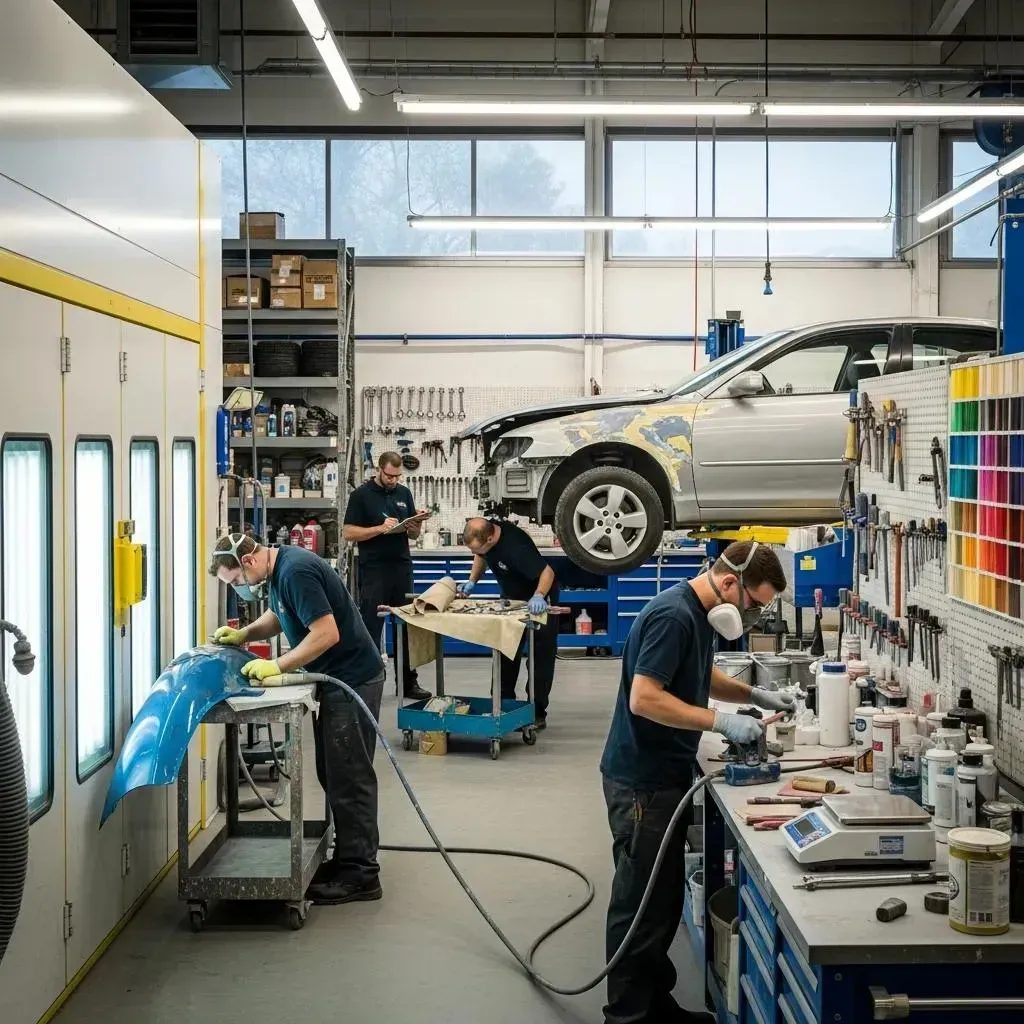
Collision paint restoration repairs the visible and protective layers of a vehicle’s finish after an impact so the car looks right, resists corrosion, and holds resale value. This guide explains why a correct damage assessment, precise color matching, and proper refinishing technique matter for successful paint repair in Charlotte, NC. You’ll find clear inspection tips, a practical shop-selection checklist, a step‑by‑step repair workflow, insurance‑claim best practices, and straightforward maintenance advice that accounts for local conditions. If you’re unsure whether damage is cosmetic or structural, whether blending will suffice or a panel needs replacement, or how insurance estimates affect results — this article gives focused, actionable guidance so you can make informed choices about collision paint repair and protection in the Charlotte area. Common Types of Collision Paint Damage — What to Look For Paint damage from collisions generally falls into a few categories that determine the repair method, cost, and urgency. Surface scuffs and light clear‑coat scratches usually affect only the top layer and can often be improved with polishing or a clear‑coat touch‑up. Through‑the‑coat scratches, chips, and areas where the substrate is exposed require filler, primer, and repainting to stop rust. Paint transfer and shallow scrapes can sometimes be removed if they’re limited to the clear coat; once primer or metal is exposed, complexity and cost increase and professional attention is recommended. Knowing these categories helps you document damage for insurance and decide between a DIY patch, a spot repair, or a full panel job.
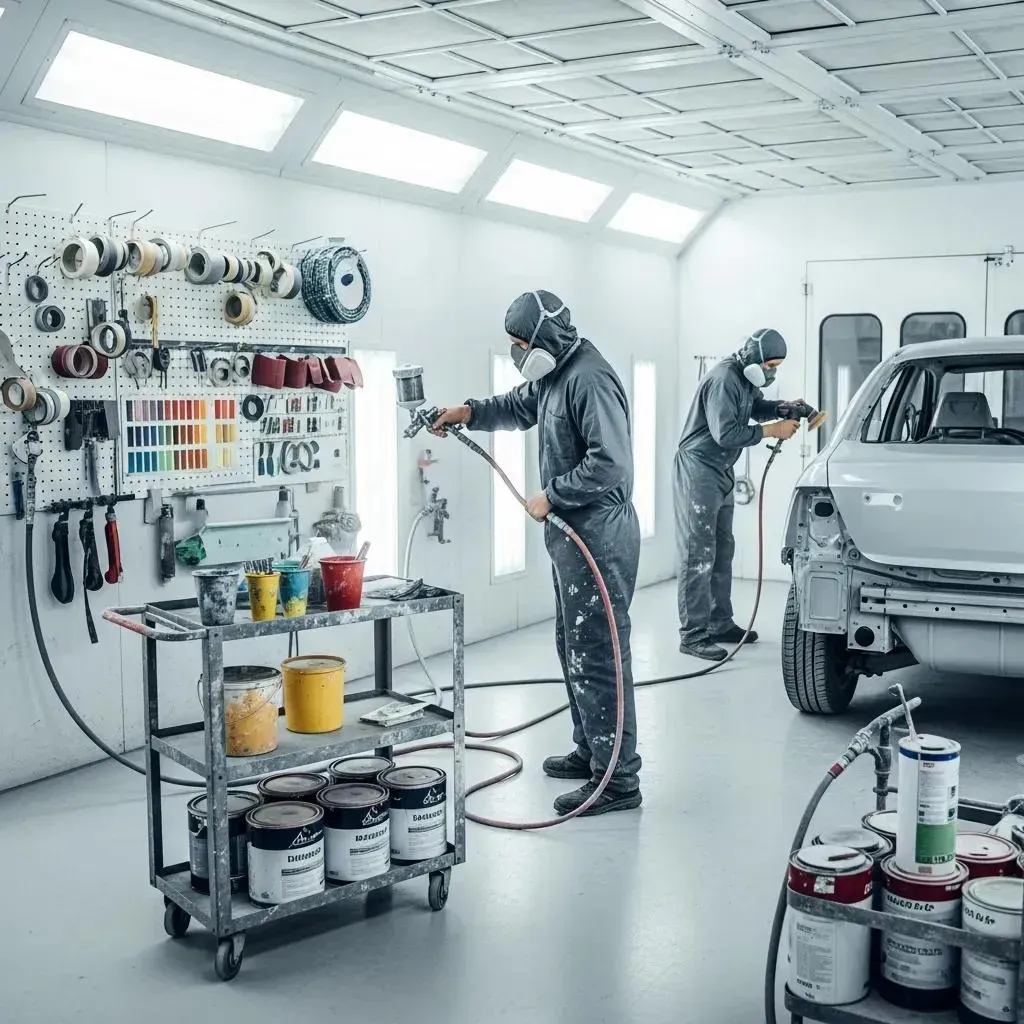
Deciding whether to fix paint damage yourself or hire a professional affects more than the immediate bill — it changes durability, appearance, and resale value. This guide walks Charlotte vehicle owners through the real trade-offs between quick home touch-ups and shop-grade repairs. You’ll see how common DIY methods hold up on chips and scratches, which hidden costs DIYers often miss, and how professional workflows — controlled booths, OEM materials, and warranty options — change long-term results. After a clear overview, we compare DIY pros and cons, explain local benefits of hiring a pro in Charlotte, list the paint services a local shop offers, present a straightforward cost comparison, and finish with a quick decision framework so you know when to tackle a repair yourself and when to schedule professional service. Keywords like auto paint repair Charlotte NC, car paint repair Charlotte, and DIY car paint are included to keep this useful for local drivers. Deluxe Paint & Body Works is referenced here as a local resource without taking over the conversation: the shop offers OEM-quality parts, advanced color-matching, ADAS calibration, and straightforward ways to get in touch. If you prefer expert help, you can request a quote, book an appointment, or call the listed number to reach experienced technicians serving Charlotte, Gastonia, Concord, and Monroe. With the basics covered, let’s take a closer look at DIY advantages and pitfalls so you can weigh short-term savings against long-term value and reliability. What Are the Advantages and Disadvantages of DIY Car Paint Repair?
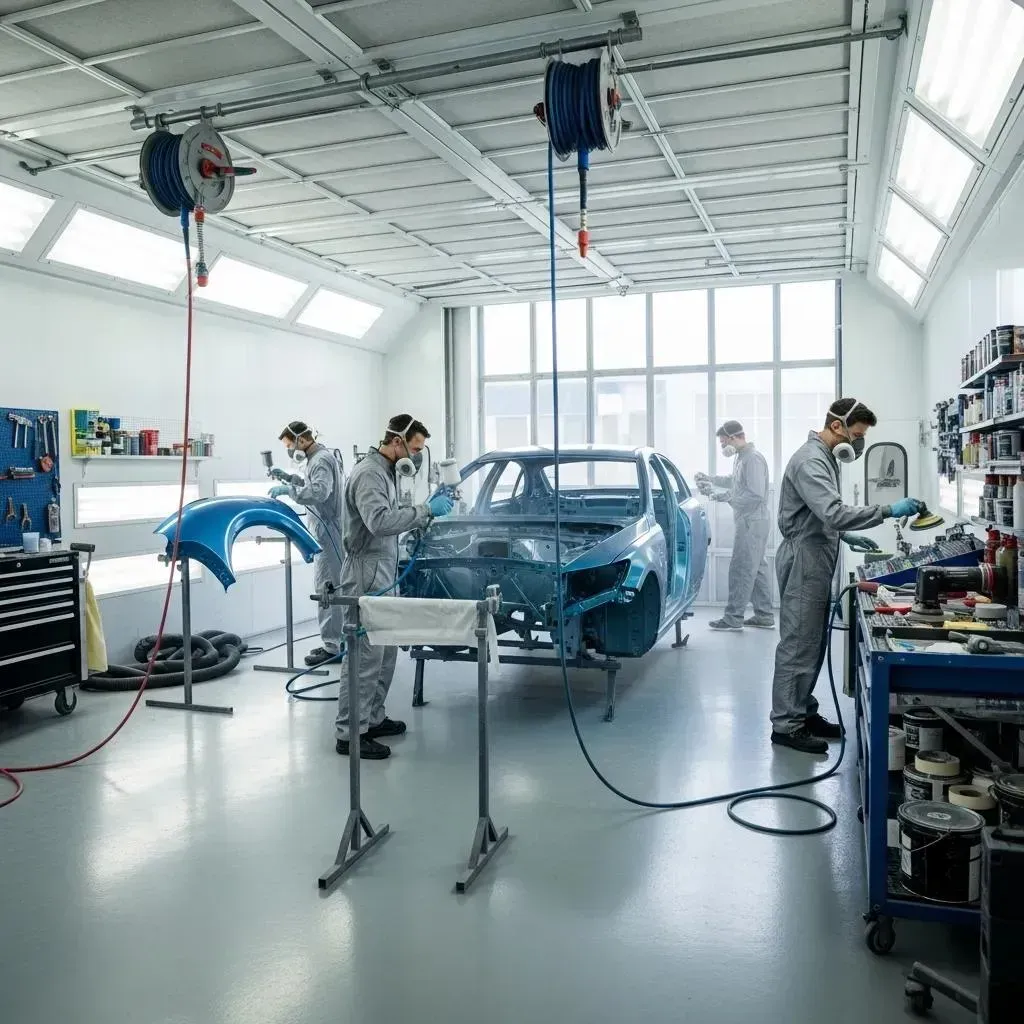
A professional auto paint repair does more than refresh your car’s look — it protects the metal underneath and prevents small damage from turning into costly problems. This guide walks Charlotte drivers through what professional paint repair covers, why it matters for durability and resale, and how trained techs deliver a showroom-quality finish built to last. You’ll get clear, practical info on the main benefits, modern color‑matching tools, step‑by‑step shop processes, how repairs work with insurance, and why warranties matter when choosing a provider. We’ll use terms like primer, basecoat, clear coat, spectrophotometer, and OEM‑quality paint so you can make informed decisions about collision or cosmetic work. What Are the Key Benefits of Professional Auto Paint Repair? Professional auto paint repair restores painted surfaces using a layered approach that protects metal, matches factory finishes, and brings back curb appeal. The work combines careful surface prep, removal of corrosion, primer for adhesion, a color-accurate basecoat, and a protective clear coat to produce both functional protection and a seamless look. The main advantages are rust prevention, higher resale value, improved durability, and a factory-like finish that reassures buyers. Knowing these benefits helps owners decide which repairs to prioritize to preserve their vehicle’s condition and marketability. Pro work usually outperforms DIY fixes because technicians control temperature and humidity, use calibrated color tools, and apply OEM‑quality materials that resist fading and delamination. Below we explain how multi-layer paint systems seal exposed metal and block moisture to stop rust. The primary benefits of professional paint repair include: Rust Prevention : Proper cleaning, corrosion removal and sealing keep moisture off the metal. Aesthetic Restoration : Color‑matched finishes restore your vehicle’s original appearance. Resale Value Preservation : Professional, documented repairs reduce depreciation and buyer concerns. Durability : Multi‑layer systems withstand UV, chemicals, and wear longer than quick spot fixes. These gains are easier to see when you understand how paint layers work together to prevent corrosion and protect value. Before the technical breakdown, here’s a clear side‑by‑side look at top benefits and likely outcomes to help you decide whether to repair now or wait. Different paint repair benefits operate through specific mechanisms to produce predictable outcomes.
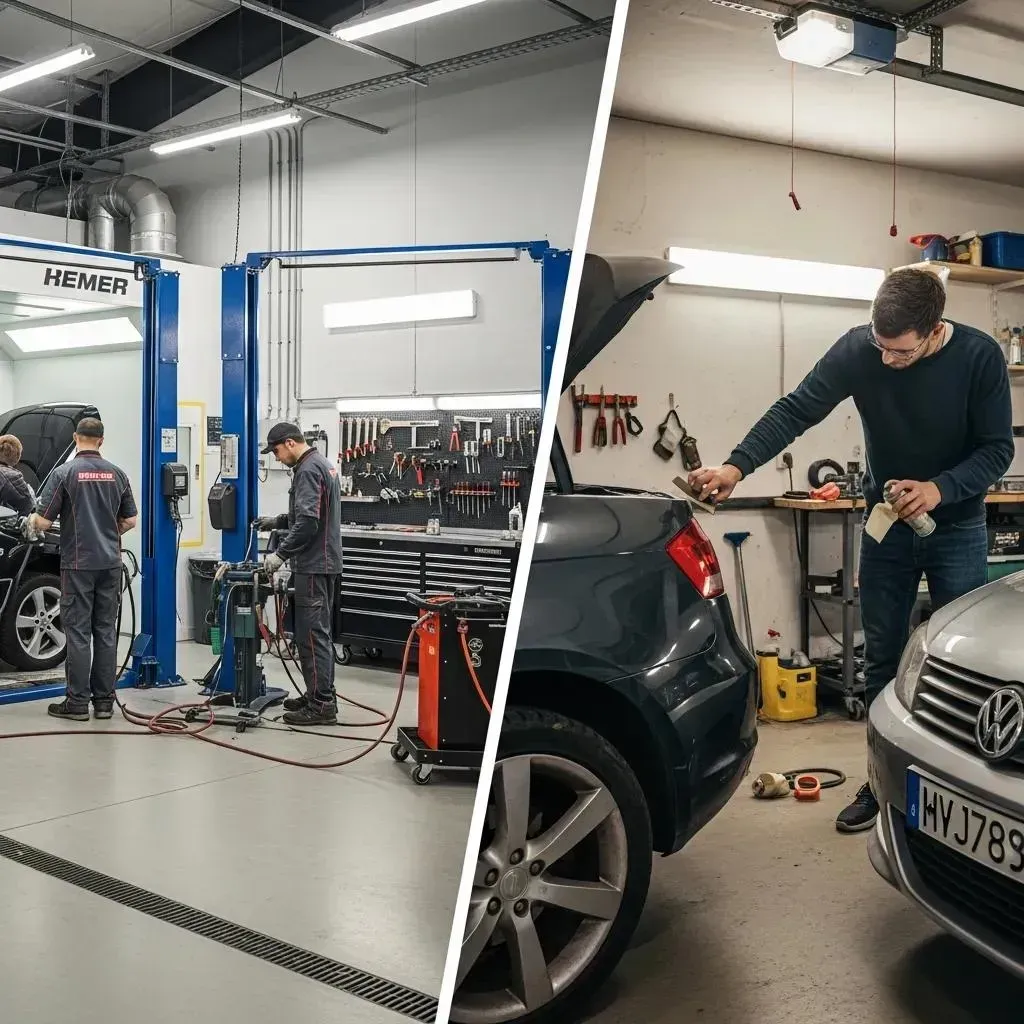
Deciding between tackling bodywork yourself and taking your car to a professional shop matters — for safety, vehicle value, and long-term cost. This guide explains what “DIY” repairs usually cover versus the services a certified collision shop provides, how repair quality is determined, and clear decision points you can use. You’ll get the pros and cons of DIY fixes, the concrete benefits of professional collision repair, examples of small repairs safe for at-home work, and a straightforward way to weigh upfront versus hidden costs. We also cover modern considerations like ADAS calibration, frame alignment, and advanced paint-matching that increasingly shape whether a job is suitable for DIY. By the end, you’ll have checklists, comparison tables, and simple rules for when to get a shop inspection or an estimate from a trusted professional .