When thinking about vehicle maintenance, engine oil changes, tire rotations, and brake inspections usually top the list. However, beneath the polished paint and shiny exterior lies a critical component of your vehicle that often goes completely unnoticed: the undercarriage. Because this area is largely out of sight, it frequently goes out of mind, making it vulnerable to quiet deterioration. Over time, moisture, road debris, and winter chemical treatments accumulate on key structural elements, triggering oxidation that gradually eats away at essential metal framework. Leaving this deterioration unaddressed compromises the structural integrity of your vehicle, potentially turning minor surface damage into severe hazards. Partnering with a reliable auto body shop ensures your vehicle receives comprehensive inspections and protective treatments before hidden corrosion compromises your safety on the road.
The Mechanics of Undercarriage Oxidation
Corrosion occurs when iron, oxygen, and water interact in a chemical reaction that weakens metal over time. The undercarriage of a vehicle is constantly exposed to harsh environmental factors, making it uniquely vulnerable to this process. Moisture collects in hidden crevices, while kicked-up dirt and debris trap water against metal surfaces. Once the protective factory coatings chip away, bare metal becomes directly exposed to humidity and precipitation. Over time, standard surface degradation expands beneath the surface, weakening subframes, suspension components, and exhaust systems. Having your vehicle evaluated by a professional auto body shop helps identify early signs of oxidation before structural integrity is severely compromised.
The Accelerating Impact of Winter Debris and Salt
Winter brings unique challenges to vehicle preservation, primarily due to the heavy chemicals used to de-ice roadways. Road salt and liquid calcium chloride lower the freezing point of water, but they also accelerate chemical corrosion on metal surfaces. As tires fling slush and chemical-laden water into the undercarriage, salt lodges in frame rails and suspension mounts, continually attracting moisture long after roads dry up. Even during milder seasons, dirt and highway debris create micro-scratches in protective undercoatings, leaving metal susceptible to rust. Scheduling a seasonal inspection at a local auto body shop ensures these harmful deposits are thoroughly removed, and protective layers are maintained.
The Structural Integrity and Compromised Frame Strength
A vehicle frame serves as the foundation for overall strength, stability, and crash protection. Modern unibody construction relies on every section of the frame working together to absorb and distribute impact energy safely during a collision. When corrosion penetrates deep into structural rails and subframes, it alters the metal density and strength, making the frame brittle and weak. In severe cases, a compromised frame may fail to protect occupants during an accident, drastically lowering safety performance. Consulting an established auto body shop allows certified technicians to examine structural components and perform necessary repairs to preserve original frame integrity.
The Vulnerability of Brake and Fuel Lines
Beyond structural steel, the undercarriage houses delicate hydraulic brake lines and fuel delivery conduits. These thin-walled metal tubes run along the frame rails and are constantly subjected to road spray, rocks, and moisture buildup. As rust corrodes these lines, the metal thins until small pinholes form, leading to sudden fluid leaks. A loss of brake fluid causes a soft pedal feel or total brake failure, while leaking fuel presents a severe fire hazard under the vehicle. Routine physical inspections by an experienced auto body shop catch flaking metal on fluid lines early, preventing dangerous mechanical failures before they happen.
The Suspension Degradation and Vehicle Handling Risks
Smooth vehicle control depends on a healthy suspension system, including control arms, sway bars, springs, and mounting brackets. Because these components are located directly in the path of road spray, they regularly harbor trapped moisture and road salt. Heavy rust accumulation on control arm bushings or coil spring mounts can lead to metal fatigue, component misalignment, or complete mechanical fracture while driving. When suspension parts weaken, vehicle handling becomes unpredictable, increasing the risk of losing control over bumps or during sudden maneuvers. Bringing your vehicle to a full-service auto body shop ensures these high-stress components remain solid and fully functional.
The Exhaust System Corrosion and Hazardous Gas Leaks
Exhaust pipes, catalytic converters, and mufflers experience extreme heat cycles, which accelerate metal oxidation from the inside out. When external moisture and road salt combine with internal heat, exhaust components deteriorate rapidly, leading to rusted-out holes and loose hangers. Beyond causing loud noises, a damaged exhaust system allows dangerous gases, including carbon monoxide, to seep into the passenger cabin through floorboard seams. Additionally, hanging exhaust pipes can detach entirely while driving, creating hazards for other motorists. A thorough check at an auto body shop verifies that exhaust mountings and piping remain sealed and securely attached.
The Flood Exposure and Environmental Moisture Factors
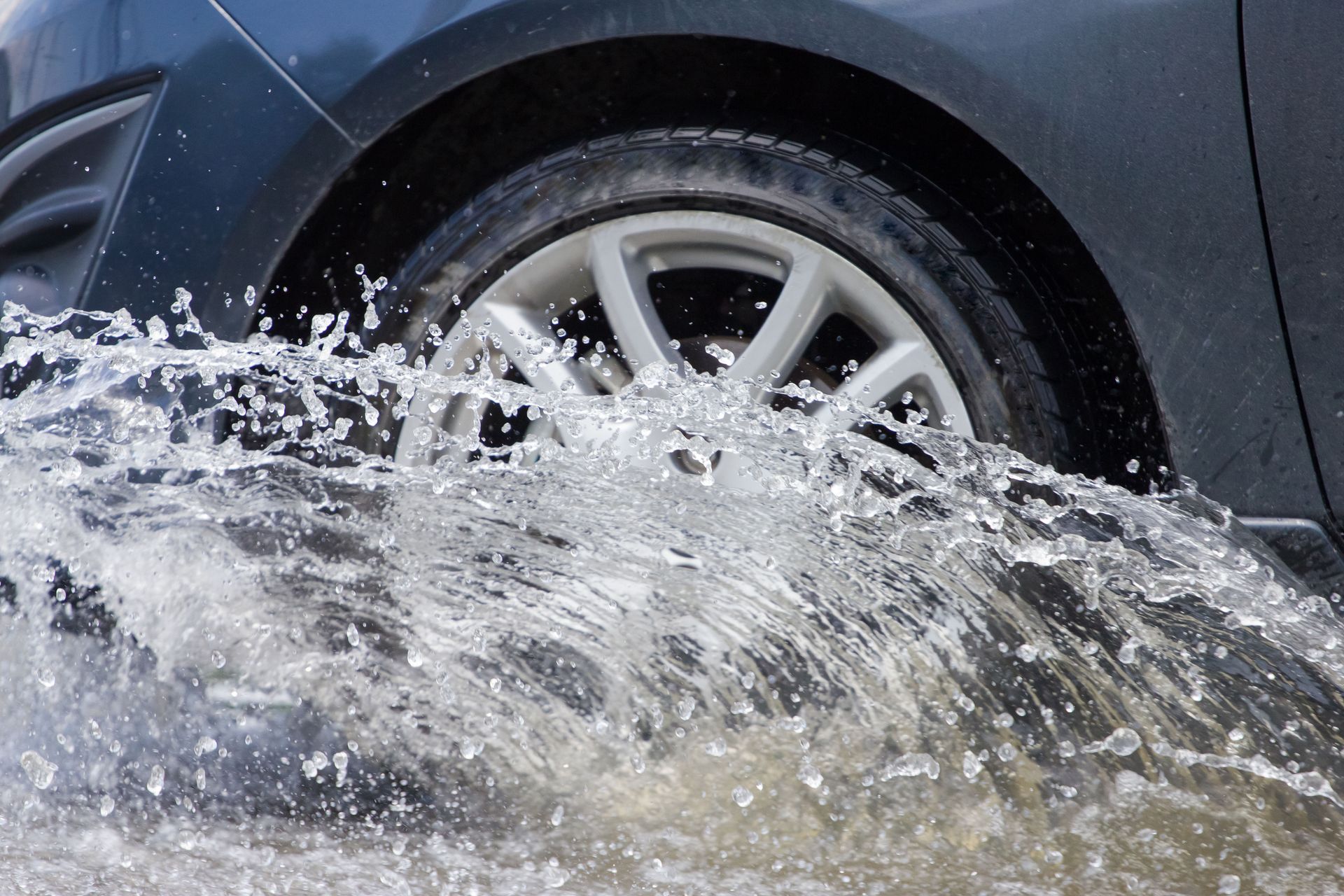
Extreme weather events pose sudden and severe risks to underbody components through deep water exposure. According to PR Newswire, storms potentially damaged up to 48,000 vehicles across the United States due to flooding in 2026. Floodwaters saturate hidden frame pockets, brake assemblies, and electrical wiring with dirty, silt-laden water that sits in hidden cavities for months. This lingering moisture accelerates corrosion from the inside out, often remaining unnoticed until major damage has occurred. If your vehicle has navigated high water, having a comprehensive assessment at an auto body shop is vital to flush out debris and apply corrosion inhibitors.
The Decreased Resale Value and Failed Inspections
The presence of severe undercarriage rust severely impacts a vehicle's economic value and roadworthiness. Prospective buyers and dealerships routinely inspect subframes and floor pans before making offers, and visible flaking or structural rot can instantly reduce market value. Furthermore, many states require mandatory annual safety inspections that specifically evaluate frame condition, floor pan strength, and fluid line integrity. Vehicles with advanced structural degradation fail these safety checks, rendering them illegal to operate on public roads. Partnering with a skilled auto body shop helps maintain undercarriage health, protecting resale value and passing official state safety standards effortlessly.
The Hidden Electrical and Sensor Malfunctions
Modern vehicles rely on intricate networks of sensors, wiring harnesses, and ground connections mounted near the undercarriage to manage anti-lock brakes, traction control, and blind-spot monitoring. When ground wires or sensor mounting brackets corrode, electrical continuity fails, triggering false dashboard warning lights or disabling key driver-assist technologies. Corroded sensor housings can also swell and crack, allowing water into sensitive electronic modules. Addressing underbody rust issues early with a qualified auto body shop protects these critical electronic connections and keeps advanced safety systems working as intended.
The Long-Term Preservation Through Professional Inspections
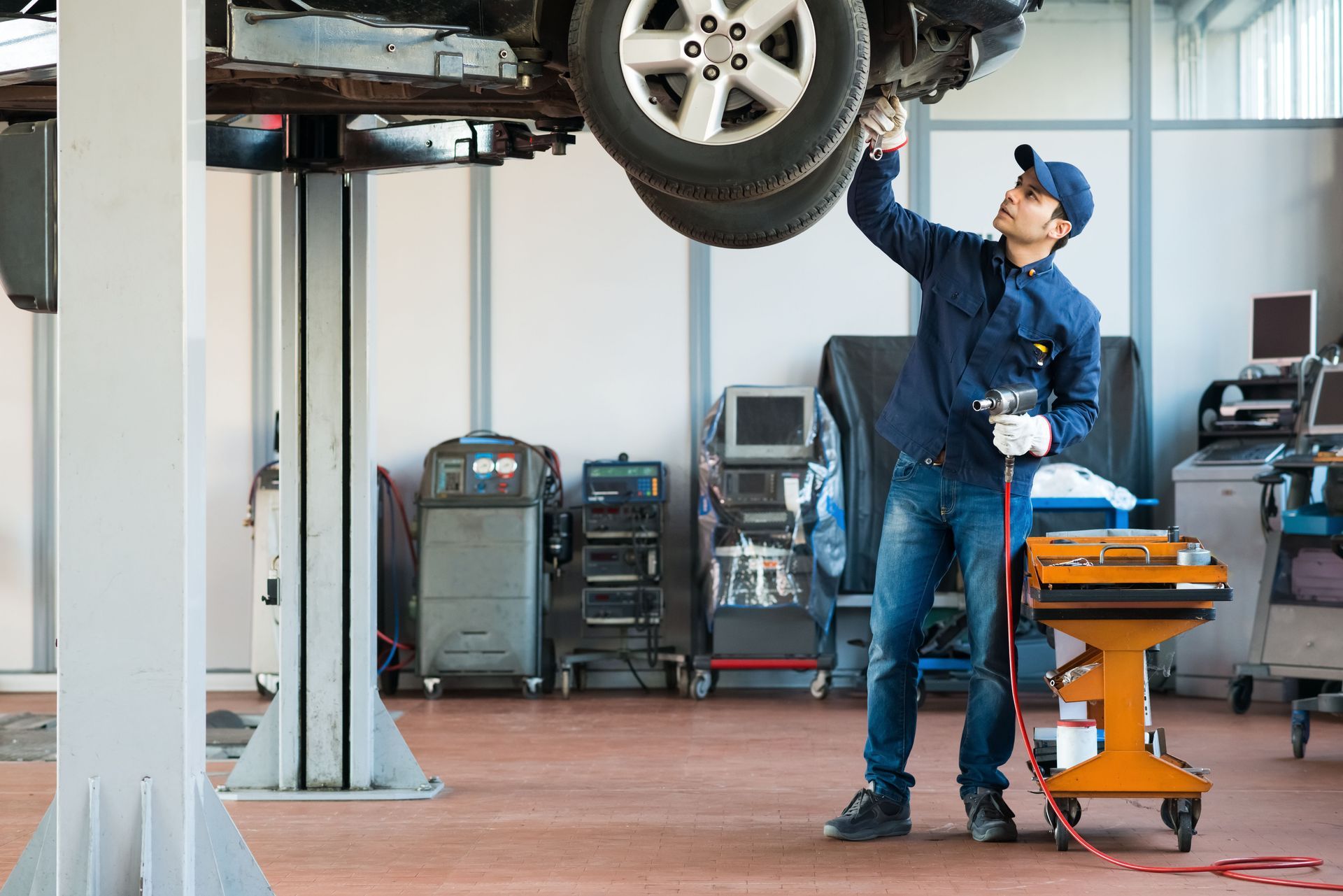
Preserving a vehicle undercarriage requires consistent attention and professional evaluation, especially as cars age. Environmental exposure, seasonal changes, and daily road wear continuously test the limits of factory protective coatings. Because visual inspection requires lifting the vehicle safely and knowing exactly where hidden pockets of moisture form, routine check-ups are essential for long-term ownership success. By routinely scheduling comprehensive underbody evaluations at a reputable
auto body shop, you gain complete visibility into your vehicle's true condition and can address minor rust spots long before they threaten your safety.
Underbody rust remains one of the most stealthy hazards facing vehicle owners today, quietly compromising structural strength, brake lines, suspension components, and long-term safety. Recognizing the environmental factors that contribute to corrosion—from road salt to unexpected storm flooding—is the first step toward keeping your vehicle secure on the road. Protecting your investment requires vigilant oversight and timely professional intervention. For comprehensive inspections, expert repair services, and complete peace of mind behind the wheel, contact Deluxe Paint & Body Works today to schedule your vehicle evaluation.