
Signs Your Vehicle Needs Suspension Work at an Auto Body Shop
Laisha Marquez • September 18, 2026

September 18, 2026

Understanding the importance of a well-functioning suspension system is crucial for overall vehicle safety, control, and long-term performance. Every vehicle relies on a network of carefully engineered parts to absorb road impact, maintain tire contact, and provide a stable ride. When these components begin to degrade, the performance of the entire vehicle suffers, making routine driving both uncomfortable and potentially hazardous. Recognizing the early warning indicators of suspension failure allows drivers to address minor mechanical issues before they escalate into dangerous system breakdowns. Proactive vehicle maintenance ultimately saves drivers a significant amount of money over time.


Navigating everyday road conditions puts continuous stress on your vehicle's undercarriage, making regular maintenance vital. Ignoring subtle changes in handling or ride quality can lead to compounding mechanical damage that affects steering responsiveness, braking efficiency, and tire longevity. Choosing to consult a professional auto body shop when these warning signs appear ensures that your vehicle is thoroughly evaluated by trained experts. Timely professional interventions preserve vehicle value, protect passengers, and guarantee that your automobile operates smoothly and reliably across any terrain. Investing in qualified automotive care gives drivers peace of mind on every commute.


Inspecting Tire Wear Patterns Correctly


Uneven tire wear is frequently one of the earliest physical indications that a vehicle is experiencing underlying suspension issues. When suspension components wear out or slip out of factory alignment, the geometric position of the tires relative to the road changes drastically. This misalignment forces specific sections of the tire tread to bear an excessive amount of weight and friction during travel. Over time, this uneven distribution creates irregular tread patterns, which severely compromise overall traction, increase stopping distances, and reduce fuel efficiency. Routine visual tire checks are an essential practice for every responsible car owner.


Identifying these irregular tread patterns early can help narrow down the specific mechanical failure within the undercarriage system. Patterns such as cupping, feathering, or heavy inner-edge wear each point toward specific problems, such as failing shock absorbers or misaligned tie rods. When tire tread wears unevenly, the overall structural integrity of the tire becomes compromised, increasing the risk of unexpected roadside blowouts. Bringing your vehicle to a certified auto body shop allows qualified technicians to inspect tread depth, perform precise computer alignments, and replace degraded suspension components to restore balanced road contact. Prompt tire maintenance guarantees that your vehicle remains safe under challenging driving conditions.


Identifying Changes in Ride Quality


A sudden or gradual deterioration in overall ride smoothness strongly points to failing dampening components within your vehicle undercarriage. If you start feeling every bump or pothole more intensely, it may be time to check your suspension system. The suspension system consists of three main parts, according to Chase: rods, springs, and dampers, all of which work together for a smooth ride. Detecting these changes early helps in preventing further wear and potential damage to other parts. Addressing minor comfort issues early prevents larger structural damages down the road.


When these core parts wear out, the vehicle loses its ability to effectively isolate the passenger cabin from continuous road impacts. Beyond creating an uncomfortable environment for drivers and passengers, prolonged exposure to unabsorbed road shocks places unnecessary physical stress on the vehicle frame and interior trim. Vehicle owners who notice excessive bouncing, harsh body movement, or severe bottoming out over minor bumps should schedule a professional diagnostic. A thorough evaluation by a qualified technician will determine whether worn shocks, struts, or leaf springs need immediate replacement to restore factory ride comfort. Maintaining smooth ride quality protects both the vehicle interior and passenger wellbeing.


Correcting Vehicle Pulling and Alignment Drift


When a vehicle constantly pulls to the left or right while driving on a straight, level road, an alignment or suspension failure is usually present. This drifting phenomenon occurs when the angles of the wheels are no longer aligned with the vehicle centerline or steering wheel position. Striking curb edges, navigating deep potholes, or driving over severe road debris can instantly force delicate suspension arms and tie rods out of alignment. Operating a vehicle that continuously drifts forces the driver to apply constant counter-steering force, creating driver fatigue and increasing reaction times during emergencies. Correct alignment ensures your vehicle travels straight without constant driver correction.


Driving a misaligned vehicle accelerates wear on nearly every part of the steering and suspension assemblies. The continuous lateral force strains control arm bushings, ball joints, and power steering components, leading to premature mechanical failure. Taking your vehicle to an auto body shop ensures that computerized alignment machinery can reset the wheel geometry back to exact manufacturer specifications. Professional alignment services correct steering drift, eliminate unnatural pulling, and protect vital mechanical components from unnecessary operational stress. Regular alignments significantly extend the usable lifespan of your expensive steering hardware.


Resolving Excessive Undercarriage Noises


Unusual mechanical sounds coming from beneath the vehicle during normal operation should never be ignored by a vehicle owner. Sounds such as deep metallic clunks, sharp squeaks, or harsh grinding noises often occur when traveling over speed bumps or making tight turns. These abnormal noises typically indicate that protective rubber bushings have cracked, ball joints have lost internal lubrication, or shock absorber mounts have loosened. When the cushioning elements within the suspension decay, metal components begin striking against each other directly. Attentive drivers can hear these subtle warning signs long before major component failure occurs.


Allowing these noise issues to persist without intervention inevitably leads to total structural failure of the affected mechanical components. A worn ball joint or control arm that breaks entirely while the vehicle is in motion can cause complete loss of steering control and severe structural damage. A specialist at a trusted auto body shop can perform a comprehensive undercarriage inspection using specialized diagnostic equipment to isolate the noise source accurately. Replacing worn bushings, mounts, and joint assemblies eliminates irritating noises while ensuring the structural integrity and safety of the vehicle. Eliminating undercarriage noise restores quiet confidence back to your daily driving experience.


Managing Leaking Undercarriage Fluids


Liquid pooling beneath your parked vehicle or visible dampness along undercarriage assemblies can signal severe dampener failure. Modern shock absorbers and struts rely on internal hydraulic fluid to regulate spring movement and dampen road impacts effectively. When internal seals degrade due to age, debris, or excessive shaft scoring, hydraulic fluid begins to seep out. As fluid levels inside the dampener drop, the component loses its ability to control spring oscillations, leading to reduced vehicle stability and erratic handling during cornering or braking. Spotting fluid puddles under your parked car warrants an immediate technical evaluation.


Operating a vehicle with dry or leaking hydraulic dampening units places excessive stress on structural springs and surrounding suspension mounts. Without fluid resistance, the springs flex uncontrollably, leading to unpredictable vehicle body roll and severe nose-diving during sudden stops. Vehicle owners who notice oily film or dripping fluid around their wheel wells should consult a professional auto body shop immediately. Timely replacement of leaking shocks and struts restores critical dampening pressure, protects adjacent undercarriage hardware, and ensures predictable vehicle handling. Restoring hydraulic pressure keeps your vehicle planted firmly and securely onto the road surface.


Maintaining a functional undercarriage system is essential for protecting vehicle performance, driver safety, and overall ride comfort over the lifespan of your vehicle. Neglecting key warning indicators like uneven tire wear, pulling steering, strange undercarriage noises, or leaking hydraulic fluid can result in dangerous driving conditions and expensive repairs. When you notice these symptoms, turning to Deluxe Paint & Body Works for professional diagnostic and repair services ensures that every component is properly serviced to original factory standards. Schedule an appointment with our team today to get your vehicle thoroughly inspected by our expert
auto body shop, ensuring optimal safety and smooth driving for every journey ahead.

Mechanic smiling and writing on a clipboard beside an open car hood in a workshop
January 21, 2026
Knowing what a collision repair will cost helps you plan, and avoid surprises. This guide walks Charlotte drivers through the main factors that shape repair estimates, explains how Deluxe Paint & Body Works builds fair, accurate quotes, and shows how to handle insurance so repairs move smoothly. Read on to learn what affects pricing, typical price ranges for common fixes, and why local customers trust Deluxe with their vehicles.
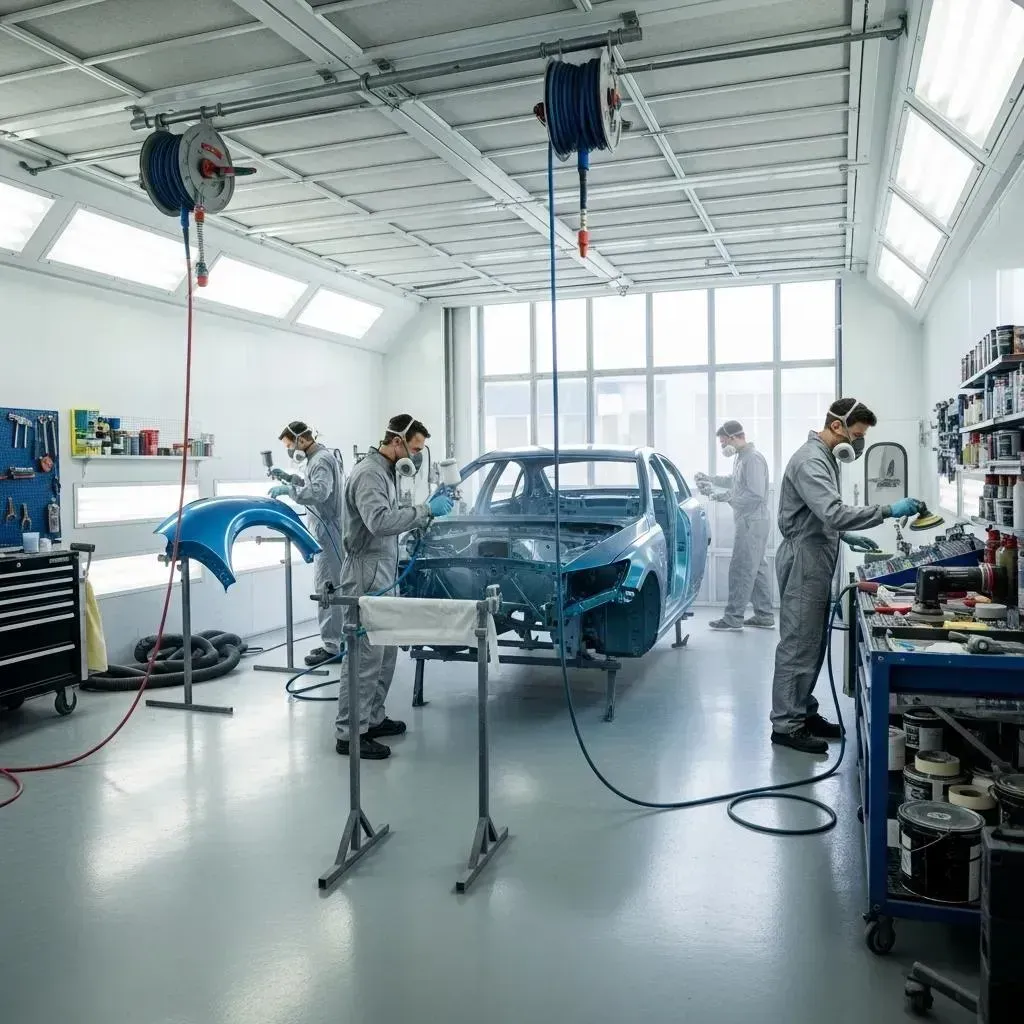
Auto repair shop with technicians working on a blue car in a bright service bay
January 21, 2026
A professional auto paint repair does more than refresh your car’s look — it protects the metal underneath and prevents small damage from turning into costly problems. This guide walks Charlotte drivers through what professional paint repair covers, why it matters for durability and resale, and how trained techs deliver a showroom-quality finish built to last. You’ll get clear, practical info on the main benefits, modern color‑matching tools, step‑by‑step shop processes, how repairs work with insurance, and why warranties matter when choosing a provider. We’ll use terms like primer, basecoat, clear coat, spectrophotometer, and OEM‑quality paint so you can make informed decisions about collision or cosmetic work. What Are the Key Benefits of Professional Auto Paint Repair?  Professional auto paint repair restores painted surfaces using a layered approach that protects metal, matches factory finishes, and brings back curb appeal. The work combines careful surface prep, removal of corrosion, primer for adhesion, a color-accurate basecoat, and a protective clear coat to produce both functional protection and a seamless look. The main advantages are rust prevention, higher resale value, improved durability, and a factory-like finish that reassures buyers. Knowing these benefits helps owners decide which repairs to prioritize to preserve their vehicle’s condition and marketability. Pro work usually outperforms DIY fixes because technicians control temperature and humidity, use calibrated color tools, and apply OEM‑quality materials that resist fading and delamination. Below we explain how multi-layer paint systems seal exposed metal and block moisture to stop rust. The primary benefits of professional paint repair include: Rust Prevention : Proper cleaning, corrosion removal and sealing keep moisture off the metal. Aesthetic Restoration : Color‑matched finishes restore your vehicle’s original appearance. Resale Value Preservation : Professional, documented repairs reduce depreciation and buyer concerns. Durability : Multi‑layer systems withstand UV, chemicals, and wear longer than quick spot fixes. These gains are easier to see when you understand how paint layers work together to prevent corrosion and protect value. Before the technical breakdown, here’s a clear side‑by‑side look at top benefits and likely outcomes to help you decide whether to repair now or wait. Different paint repair benefits operate through specific mechanisms to produce predictable outcomes.
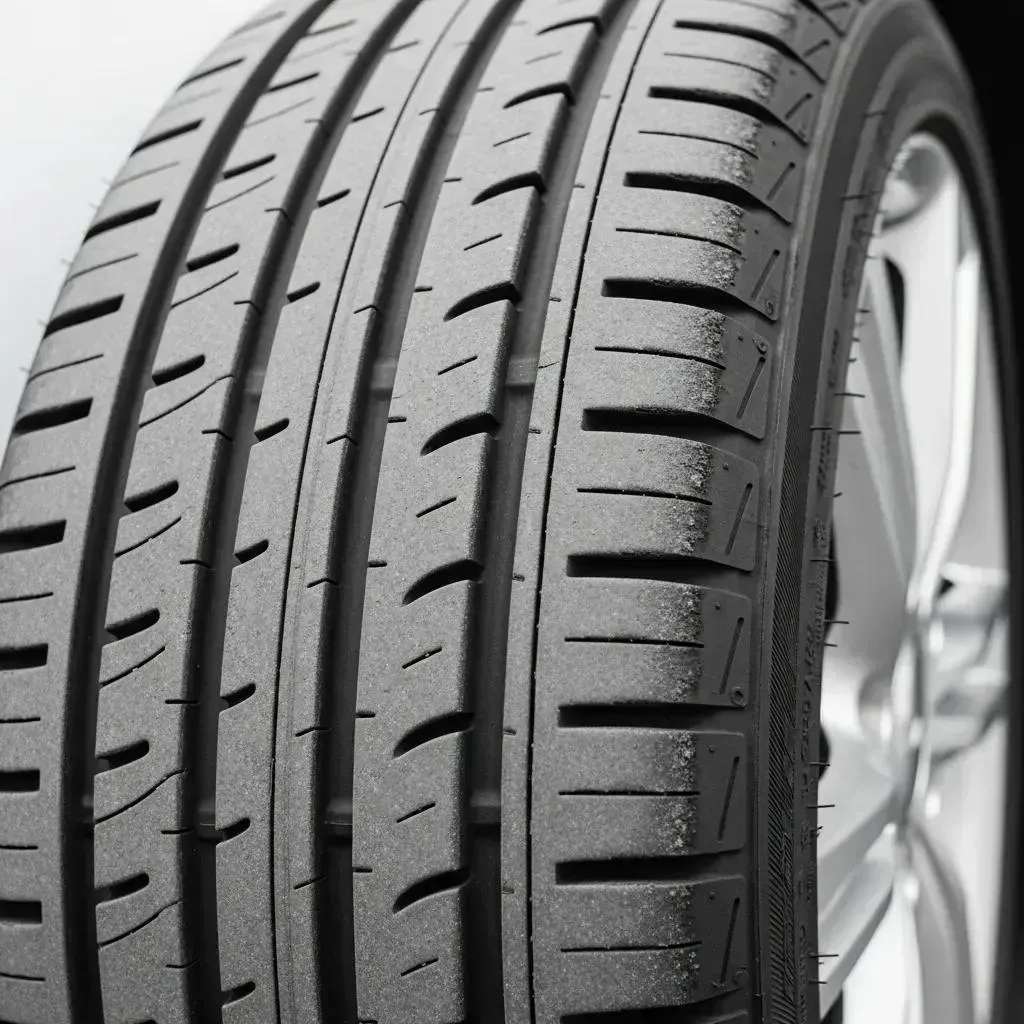
Close-up of two black car tires with tread detail on a silver wheel.
December 25, 2025
Wheel alignment means adjusting your vehicle’s wheel angles — camber, toe, and caster — so they match the manufacturer’s specs and work together for steady handling and even tire wear. A correct alignment sharpens steering, can help fuel economy, and prevents uneven tire wear. Catching alignment issues early avoids bigger repairs and keeps you safer on the road. This guide walks through the most common warning signs, simple at-home checks, and when to bring your car in for professional diagnostics and ADAS calibration around Charlotte. We’ll show you how to read tire wear, notice steering cues, and prioritize incidents — like hitting a pothole — that deserve immediate attention. We’ll also cover the benefits of timely alignment, how often to schedule service, and why ADAS-capable local shops matter for newer cars. What Are the Key Signs of Bad Wheel Alignment? Alignment problems usually show up as handling changes, odd tire wear, or steering oddities. Misaligned suspension geometry forces tires to run off true and puts uneven pressure on the tread. Spotting issues early preserves tires and prevents extra wear on suspension parts. Below is a short, practical checklist of the most common signs to watch for — quick to scan and useful for deciding your next move. Common signs that indicate you need a wheel alignment: Your car pulls to one side while driving straight : You have to keep steering to stay in your lane. Uneven tire wear across tread edges : The inner or outer tread is noticeably worn compared with the center. A crooked or off-center steering wheel : The wheel sits tilted when you’re driving straight. Vibration or shaking at higher speeds : A vibrating steering wheel can point to alignment, balance, or suspension problems. Squealing tires or wandering steering : Unusual noises and instability often come with misalignment or worn parts. Use these signs to decide whether a quick visual or pressure check will do or if you should get a professional alignment. If multiple symptoms appear together — for example, pulling plus uneven wear — book diagnostics soon to avoid faster tire and component damage. If you drive in Charlotte and deal with potholes or frequent curbs, we recommend a prompt inspection when you notice any of the signs above. For persistent pulling or uneven wear, call Deluxe Paint & Body Works at 704-900-2393 to schedule an alignment diagnostic or request a quote; same-day or quick-turn options may be available to get you back on the road safely. Why Does My Car Pull to One Side? If your vehicle drifts to one side, the steering forces aren’t balanced. Common causes include mis-set camber or toe angles, uneven tire pressure, brake drag, or side-impact damage to suspension parts. When camber tilts a tire, the contact patch shifts and produces lateral force; toe misalignment makes tires scrub and pull. Do basic at-home checks first — confirm tire pressures, look for rim or tire damage, and test on a calm, level road — to rule out simple fixes. If those checks look normal, a professional suspension inspection and alignment diagnostic can pinpoint issues like worn tie rods, bent control arms, or subframe offsets. Fixing the root cause restores handling and helps tires last longer. How Does Uneven Tire Wear Indicate Alignment Issues?

Show More →