Collision Repair in Charlotte: A Clear, Step-by-Step Guide to the Process and Services

vivian • December 25, 2025

Collision repair covers the inspections, structural and cosmetic work, mechanical fixes, and safety checks needed to return a vehicle to the road after an accident. This guide walks Charlotte drivers through every stage — from intake to final pickup — so you know how damage is evaluated, how estimates and insurance reviews affect timing, what repairs shops typically handle, why ADAS recalibration matters, and how repair schedules are managed. If an accident left you unsure of next steps, this article maps the process, clarifies your rights, and gives practical actions you can take to keep your vehicle safe and roadworthy. We include local expectations for Charlotte and explain how a full-service neighborhood shop supports each step while keeping the core information neutral and actionable.

How the Collision Repair Process Works in Charlotte

In Charlotte, collision repair typically starts with a formal inspection to document visible and possible hidden damage. From there the shop orders parts, completes structural and cosmetic repairs, and finishes with quality and safety checks before delivery. Repairs are split into stages so specialists can verify fit, finish, and function at each step — from body panels to safety sensors — which reduces rework and helps coordinate insurer approvals. This staged approach also makes sure critical safety work, like ADAS recalibration, happens when it should. Knowing the stages helps you set realistic timelines and communicate clearly with the shop and your insurer.

Here’s the usual sequence you’ll see during a repair:

  1. Initial intake and damage evaluation: Staff document visible damage and begin an estimate.
  2. Estimate approval and parts ordering: The insurer reviews the estimate and parts are sourced once coverage is confirmed.
  3. Disassembly and hidden-damage discovery: Technicians remove panels to inspect structure and mechanical components.
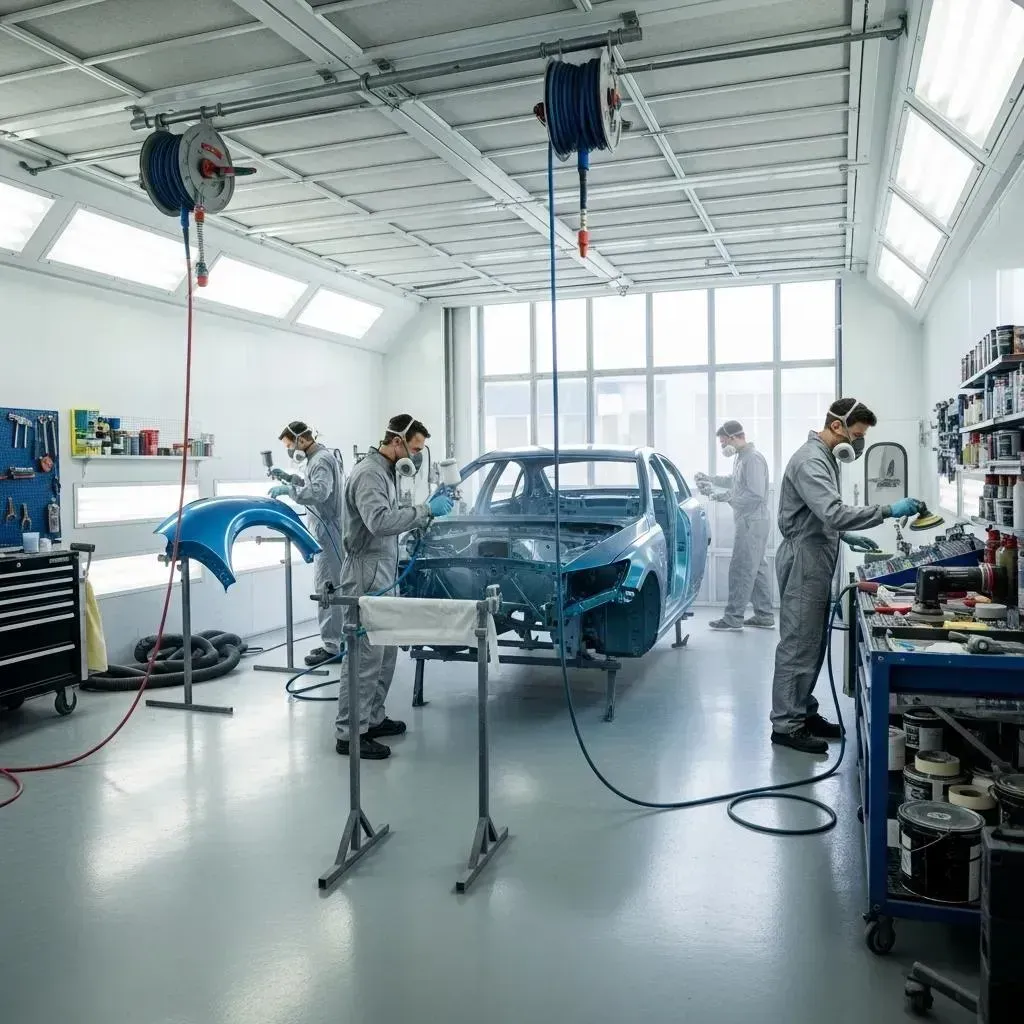
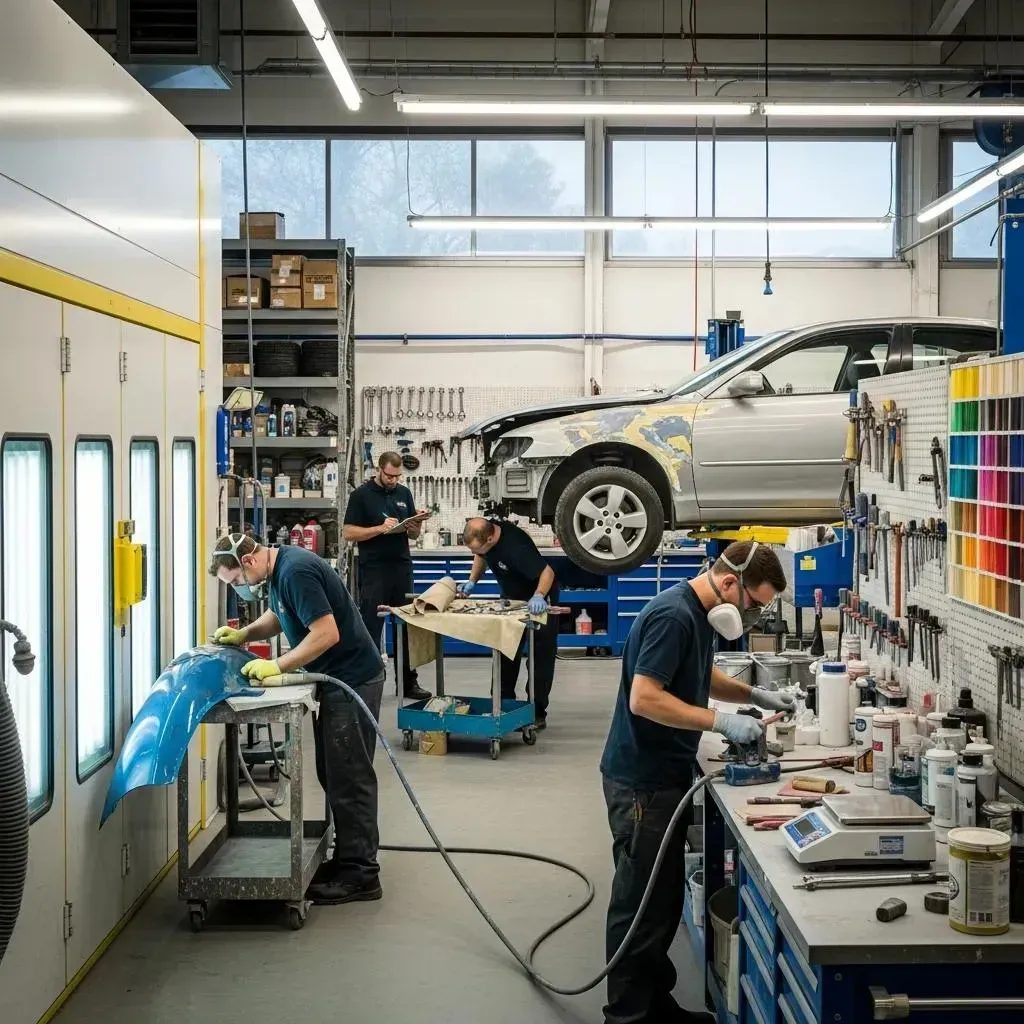
  4. Repair and refinishing: Structural straightening, bodywork, and painting restore fit and appearance.
  5. Reassembly, calibration, and QA: Systems are tested and ADAS is recalibrated before you pick up the vehicle.

That step-by-step view gives a predictable pathway through the repair and leads into a closer look at how estimates and damage assessments are prepared.

What to Expect During a Typical Collision Repair Journey

A typical repair journey begins at intake, where the shop photographs and logs the vehicle, then moves through estimate preparation, insurer communication, staged repairs, and final quality checks. During intake, staff capture photos and the VIN to establish a clear baseline for the estimate and your claim. After that, partial disassembly often uncovers hidden damage that changes scope and timelines. Expect regular status updates and a final walk-through at delivery that covers completed work, safety checks, and any follow-up recommendations.

While your car is in the shop, these three actions help keep things moving:

  1. Keep all paperwork and photos from the accident to make the estimate and claim process smoother.
  2. Ask for regular updates on parts and schedule so any ETA changes are tracked.
  3. Request a final inspection checklist to see what was repaired and tested before pickup.

These steps reduce surprises and set clear expectations for the rest of the process, which brings us to how damage is assessed and how estimates are produced.

How Damage Is Assessed and Estimates Are Created

Assessment starts with a visual inspection and photos, then moves to targeted disassembly to reveal any hidden structural or mechanical issues that affect safety and cost. Estimates itemize parts, labor, paint, and any sublet services; they usually separate parts, paint, and labor so you can see cost drivers. Modern estimates also note whether OEM parts are specified and flag systems that need calibration, like ADAS sensors. When insurers review estimates they may compare line items to industry standards and ask for more photos or clarification, so clear documentation speeds approval.

An overview table shows the core assessment steps and the typical deliverables you should expect:

Assessment StageTypical ActionsDeliverableVisual inspectionPhotos, VIN capture, list of visible damageInitial estimate draftDisassembly checkRemove panels, inspect structure and mechanicsRevised estimate with discovered hidden damageParts reviewIdentify OEM vs. aftermarket optionsParts list with lead timesSystems checkIdentify calibration needs (e.g., ADAS)Safety and calibration notes

This structure clarifies how inspection findings become an actionable estimate and helps you make informed choices about repair scope and part selection.

How Insurance Claims Affect Your Collision Repair Experience

Insurance claims influence approval timelines, what line items are covered, and how billing is handled — but in most cases you still have the right to choose your repair facility. Insurers usually need documentation and may assign an adjuster to approve the estimate, so prompt, complete paperwork and clear photos speed decisions. If an insurer requests more information or suggests alternate parts, the shop and you can provide documentation or discuss using OEM parts. Knowing how insurers interact with shops helps you manage expectations about scheduling and out-of-pocket costs.

Common insurer touchpoints and what they mean for you:

  • Estimate review: The insurer checks line items and may ask for additional photos or justification.
  • Approval and assignment: The insurer authorizes repairs and confirms billing options like direct invoicing.
  • Supplemental claims: If hidden damage appears, the insurer will review supplements for additional coverage.

Understanding these touchpoints helps you anticipate approvals and lets the shop coordinate more smoothly with your insurer. Next, we list how Deluxe works with insurers to reduce friction.

Which Major Insurance Companies Does Deluxe Paint & Body Works Work With?

Deluxe Paint & Body Works works directly with major insurance carriers to submit estimates, handle approvals, and manage billing so the process is easier for customers while keeping repair quality and documentation intact. When a shop handles insurer communications, it submits the estimate and supporting photos, manages supplement requests, and follows the insurer’s protocols for parts and labor authorization. This coordination reduces back-and-forth and keeps a clear audit trail. Customers benefit when the repair facility serves as a technical translator for adjusters on complex structural or calibration issues.

When a shop manages insurer communication, drivers usually see benefits like:

  • Faster claim processing through direct estimate submission.
  • Clearer explanations of repair choices, such as OEM parts versus alternatives.
  • Streamlined billing options, including possible direct invoicing to the insurer.

That insurer coordination leads into useful info about your rights when choosing a repair shop.

Your Rights When Choosing a Collision Repair Shop

You generally keep the right to pick your repair facility even when the insurer is paying the claim. Tell your insurer politely but clearly which shop you prefer and give the shop’s contact info so estimates and invoices route properly. Ask the shop if they specify OEM parts or alternatives and request written approval for any deviations. Knowing your rights helps you hold insurers and shops accountable for clear communication and quality standards.

Practical steps to assert your choice and protect your interests:

  1. Document your shop preference in writing when you file the claim.
  2. Ask the shop for detailed line-item estimates that identify parts type and labor costs.
  3. Keep copies of all correspondence with both the insurer and the repair facility.

These practices help you manage insurer interactions and keep repairs aligned with safety and resale goals. Next, we cover the types of collision damage that Charlotte shops commonly fix.

What Types of Collision Damage Can Charlotte Collision Centers Repair?

Full-service collision centers around Charlotte handle everything from minor dents and paint chips to structural frame damage and mechanical issues caused by impact. Whether a repair is viable depends on structural integrity, total-loss thresholds, and parts availability — but many shops restore factory fit and finish when it’s reasonable. Post-repair mechanical checks like wheel alignment and brake inspections are common, and shops also handle cosmetic work such as blending and color matching. Knowing repair categories helps set expectations for cost, timeline, and the likelihood of returning the vehicle to pre-accident condition.

A quick comparison shows typical approaches for common damage types:

Damage TypeTypical Repair MethodExpected OutcomeDent (minor)Paintless dent repair or panel workRestored shape with minimal repaintingFrame/structuralFrame straightening or section replacementRestored alignment and safety performanceBumper damageRepair or OEM replacementCorrect fit and impact protectionPaint/scratchColor matching and refinishingSeamless visual match and durable finish

This table shows how shops choose methods based on damage type and leads into details about frame, dent, and bumper repairs.

How Frame, Dent, and Bumper Repairs Are Handled

Frame repairs start with precise measurements and, if needed, hydraulic straightening on a certified bench to return factory dimensions and preserve suspension geometry and crash energy paths. Dent repair ranges from paintless dent removal for small creases — which keeps the factory paint — to traditional bodywork that uses filler, primer, and refinishing when paint or metal is damaged. Bumpers are evaluated for mounting points and structural integrity; light scuffs can be repaired, while severe cracks or deformations often mean an OEM replacement is the safer choice. Technicians document repair decisions and explain how each method protects safety and resale value.

During these repairs expect clear communication about part origin, the choice between repair and replacement, and post-repair alignment checks. That brings us to why paint and color matching matter for a high-quality finish.

The Role of Auto Painting and Color Matching

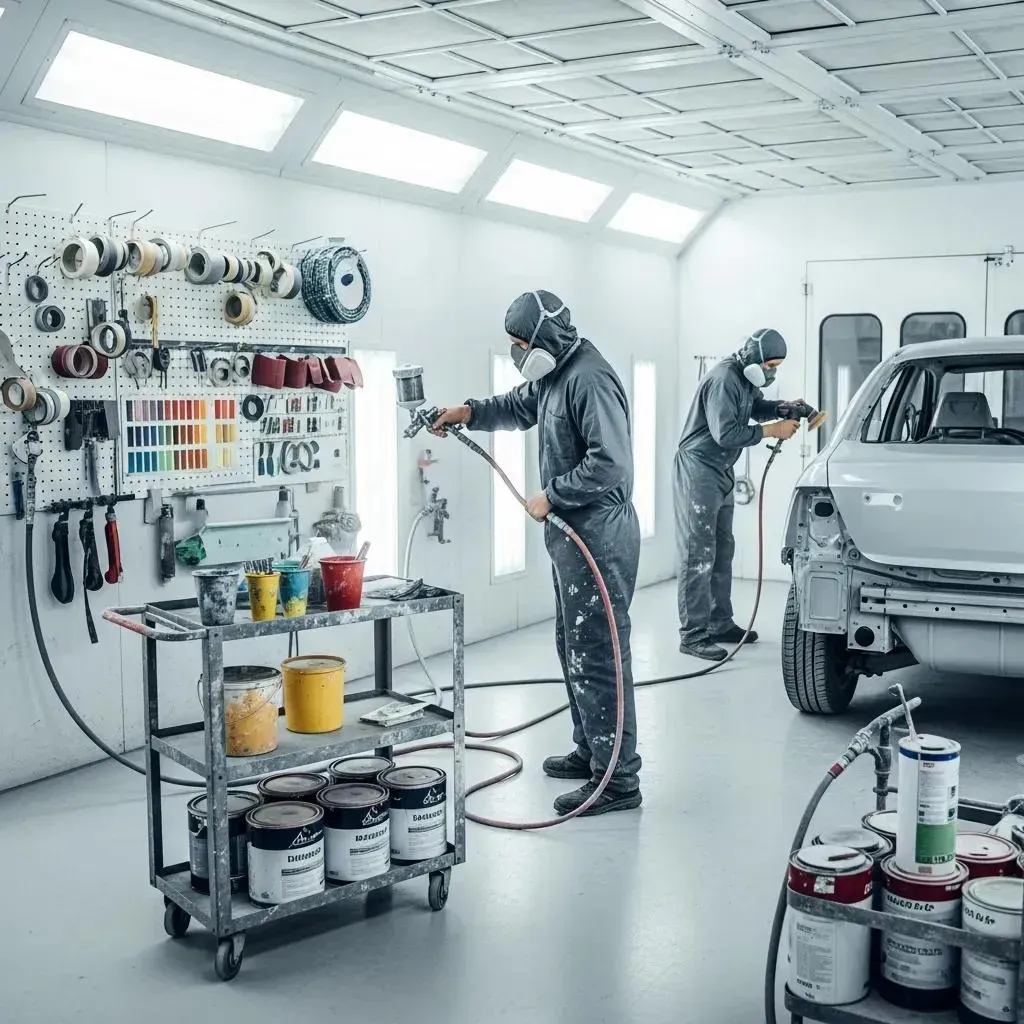
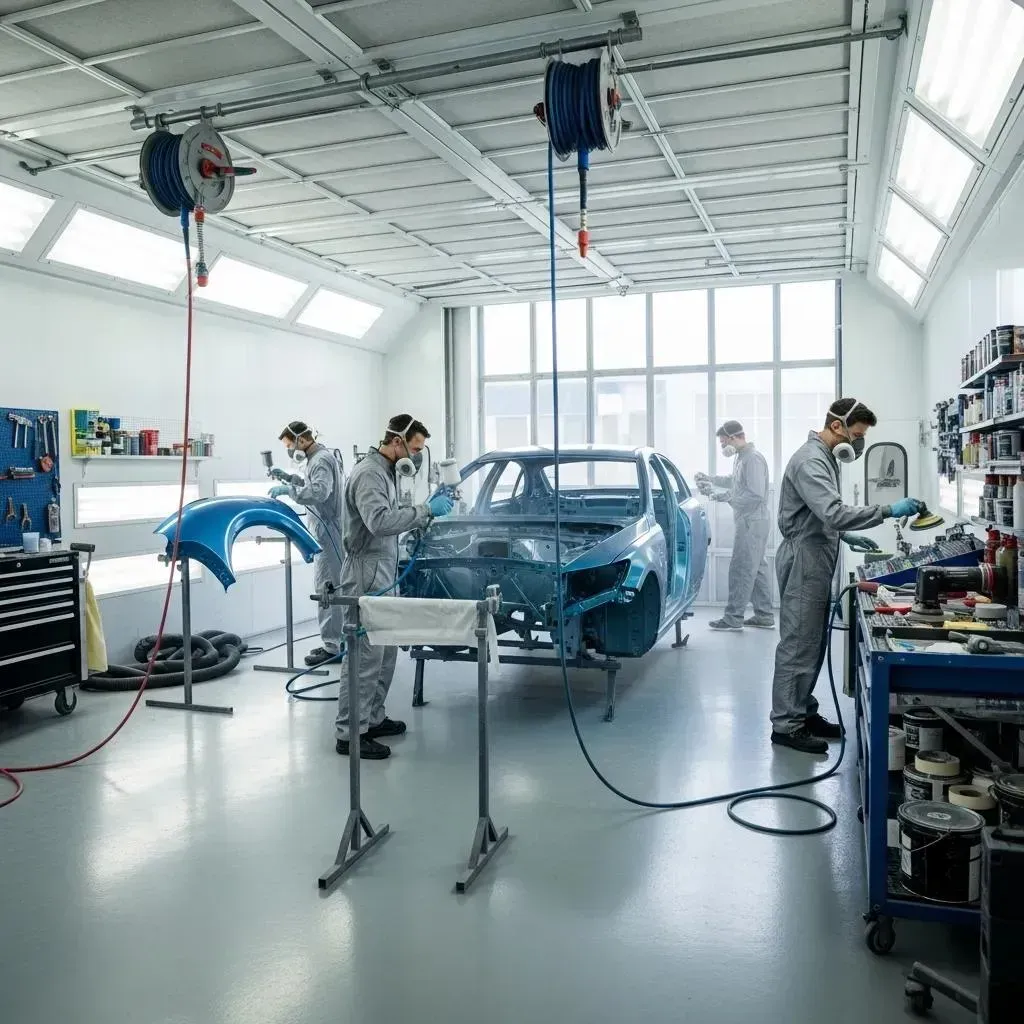
Professional painting and precise color matching restore a vehicle’s appearance and protect repaired surfaces from corrosion. Shops use modern color formulation systems and controlled paint booths to get consistent results. The painting process includes surface prep, priming, basecoat, clearcoat, and curing — every stage affects adhesion, gloss, and durability. Color matching tools like spectrophotometers and formulation software help recreate factory shades and blend panels so new paint looks seamless. A quality paint job improves resale value and protects metal and plastic from the elements.

Signs of a professional paint repair include smooth color blends, consistent sheen across panels, and properly cured finishes that resist chipping — which sets the stage for the safety topic of ADAS calibration after repairs.

Why ADAS Calibration Matters After Collision Repair in Charlotte

ADAS calibration re-aligns and verifies cameras, radar, and sensors so they operate within manufacturer tolerances after any repair that affects sensor mounts, vehicle geometry, or camera alignment. Proper calibration makes sure lane-keep assist, automatic emergency braking, adaptive cruise, and other driver aids work as intended. Skipping recalibration can lead to poor system performance, false warnings, or even safety risks — and it may affect warranties or insurance conditions. Calibration can be static or dynamic, using targets, diagnostic tools, and road tests to confirm system accuracy.

What ADAS Calibration Does and How It Protects Safety

ADAS calibration restores the relationship between sensor output and vehicle state by comparing readings to known references and adjusting sensors so driver aids behave predictably. For example, cameras must be aligned so lane detection matches vehicle position, and radar modules are checked to ensure correct distance and object detection. Calibration usually includes diagnostic scans, placement of alignment targets, and measured test drives to confirm ECUs interpret sensor data correctly. The bottom line: properly calibrated ADAS lowers the risk of accidents caused by incorrect sensor readings and preserves the vehicle’s collision-avoidance capabilities.

Knowing these steps helps you evaluate a shop’s ADAS capabilities and understand how calibration affects repair completeness.

How Deluxe Paint & Body Works Handles ADAS Services

Deluxe Paint & Body Works includes ADAS calibration as part of its collision workflow, using industry-standard tools and trained technicians to recalibrate sensors after structural, alignment, or front-end repairs. The shop documents calibration steps, notes calibration status in delivery paperwork, and runs ADAS checks as part of its quality-control routine so safety systems are verified before you take the car home. Treating ADAS recalibration as a required step when mounting points or sensors were disturbed helps restore system accuracy. You can request ADAS verification in the estimate and receive confirmation that systems were tested prior to pickup.

This capability ties directly into scheduling and timeline considerations discussed next.

How Long Collision Repair Usually Takes in Charlotte

Repair times in Charlotte vary from a few days for minor dents and paint work to several weeks for major structural repairs that require parts, sublet services, or ADAS calibration. Minor jobs typically fall within a multi-day window, while significant structural repairs can extend beyond one or two weeks. Timelines depend on parts availability, insurer approvals, and any hidden damage found during disassembly. Good shops give timeline estimates with notes for possible supplements and lead times so you can plan transportation. Realistic expectations reduce stress and help you arrange rentals, towing, or alternate transport.

Here’s a compact timeline showing typical ranges and common delay factors.

IssueTypical Timeline RangeFactors That Extend TimelineMinor dent/paint2–5 business daysPaint curing, color blending complexityBumper repair/replacement3–7 business daysParts lead time, paint matchingStructural/frame1–3+ weeksParts, detailed measurements, insurer supplementsADAS calibrationSame-day to 2 business daysSpecialized equipment, scheduling windows

That timeline helps you plan for variability and leads into the common factors that influence repair length and how to reduce delays.

Factors That Influence Repair Timelines

Parts lead times, insurer approval cycles, hidden damage discovered during disassembly, and the need for specialized services like frame straightening or ADAS calibration all affect how long a repair takes. OEM parts may take longer to source but retain factory fit, while aftermarket options can sometimes shorten waits. Insurance reviews and supplement approvals add administrative time shops can’t always control, and undiscovered damage often increases the scope mid-repair. Knowing these factors lets you ask targeted questions about ETAs and contingency options.

Tips to reduce delays: confirm parts sourcing preferences up front, ask the shop for regular status updates, and make sure your insurer has the shop’s estimate and contact details to speed approvals.

How Deluxe Paint & Body Works Manages Scheduling and Delivery

Deluxe Paint & Body Works manages scheduling by coordinating parts orders, technician assignments, and ADAS calibration time while keeping customers and insurers updated to avoid surprises at delivery. The shop documents estimated timelines, notes parts lead times, and gives clear pickup procedures and final inspection checklists so handovers are smooth. If you need help with transport, the facility can explain towing and local rental or loaner options. Final delivery includes a walk-through of repaired areas, tested systems, and any warranty or follow-up recommendations.

This practical approach reduces uncertainty and explains why choosing a trusted local shop matters.

Why Charlotte Drivers Choose Deluxe Paint & Body Works

Deluxe Paint & Body Works is a local, full-service shop that combines collision repair, precise color matching, and insurer coordination to make the post-accident experience easier for Charlotte drivers. We serve Charlotte and nearby communities, focus on fit and finish with OEM-quality parts when appropriate, and include ADAS recalibration and mechanical follow-up in our workflow. Drivers appreciate having a single point of contact for estimates, insurer communication, and delivery documentation that confirms safety checks were completed. Choosing a nearby, well-equipped facility reduces logistics and supports a smooth return to the road.

When evaluating repair shops, look for these proof points:

  • Local, full-service repairs: One shop handles bodywork, paint, and mechanical follow-up.
  • OEM-quality parts and color matching: Attention to correct fit and seamless finishes.
  • Insurance coordination and documentation: The shop manages estimates and supplements to reduce delays.
  • ADAS and safety verification: Calibration and system tests included as standard practice.

Those trust signals lead into our experience and how we maintain quality.

Experience and Certifications Deluxe Brings to Collision Repair

Deluxe Paint & Body Works has built a local reputation for collision, paint, and mechanical repair. The shop brings practical experience, precision craftsmanship, and advanced color-matching tools to each repair. Services include frame repair, dent removal, bumper replacement, ADAS calibration, and alignment work — a comprehensive skill set for restoring vehicles after a collision. Technicians use tools and processes aligned with manufacturer procedures when applicable, and the shop works with major insurers to streamline claims. These strengths support an approach focused on safety and correct fit.

Knowing the team’s experience and tooling helps you understand how quality assurance happens at delivery.

How Deluxe Ensures Customer Satisfaction and Quality Assurance

Deluxe ensures satisfaction through documented quality checkpoints, including post-repair inspections, functional tests, and ADAS verification before you get the vehicle back. We provide clear communication about parts used and work completed, offer a final walk-through to confirm visible and functional expectations, and keep records of calibrations and alignments. Using OEM-quality parts and advanced color-matching systems supports long-lasting results, and open insurer coordination reduces administrative surprises. These quality controls aim to deliver safe, well-documented repairs that meet your needs.

By combining formal QA steps with open communication and safety-focused checks, the shop helps drivers return to the road with confidence after collision repair.

Frequently Asked Questions

  • What should I do immediately after a collision?

    First, make sure everyone is safe and move to a secure spot if possible. Call emergency services for injuries. Take photos of the vehicles, damage, and surroundings, and exchange names, contact details, insurance information, and VINs with the other driver. Report the accident to your insurance company as soon as you can to start the claims process and keep documentation ready for repairs.


  • How can I choose the right collision repair shop?

    Research local shops, read reviews, and ask friends or family for recommendations. Look for shops with manufacturer certifications and experience with your vehicle type. Confirm they offer a warranty on repairs and ask about their insurance partnerships — that can simplify claims. Visiting the shop in person helps you assess cleanliness, equipment, and customer service before you decide.


  • Will my insurance cover all repair costs?

    Coverage depends on your policy and the accident. Many policies cover collision damage minus your deductible, but coverage varies by part type and labor. Review your policy and talk with your insurance agent to understand what’s covered and what you may owe out of pocket.


  • What happens if hidden damage is found during repairs?

    If hidden damage appears, the shop documents it and contacts your insurer to request approval for the additional repairs. That usually means submitting a supplemental estimate outlining the new issues and costs. Keep communication open with both the shop and insurer so all necessary repairs get authorized and completed for safety and functionality.


  • How can I make sure my vehicle is safe after repairs?

    Ask the shop for a detailed inspection report that lists all completed work, including any calibrations like ADAS. Verify that safety features function properly and request a final walk-through to go over the repairs. You can also schedule a follow-up check with a trusted mechanic if you want extra reassurance after the repair process.


  • What are the benefits of ADAS calibration after repairs?

    ADAS calibration ensures advanced safety systems — lane-keep assist, automatic emergency braking, adaptive cruise — operate as the manufacturer intended. Proper calibration aligns sensors and verifies system responses. Skipping this step can lead to reduced system performance or false warnings, so including ADAS calibration in repairs is important for safety and reliability.


This is paragraph text. Click it or hit the Manage Text button to change the font, color, size, format, and more. To set up site-wide paragraph and title styles, go to Site Theme.

By Vivian December 25, 2025
Wheel alignment means adjusting your vehicle’s wheel angles — camber, toe, and caster — so they match the manufacturer’s specs and work together for steady handling and even tire wear. A correct alignment sharpens steering, can help fuel economy, and prevents uneven tire wear. Catching alignment issues early avoids bigger repairs and keeps you safer on the road. This guide walks through the most common warning signs, simple at-home checks, and when to bring your car in for professional diagnostics and ADAS calibration around Charlotte. We’ll show you how to read tire wear, notice steering cues, and prioritize incidents — like hitting a pothole — that deserve immediate attention. We’ll also cover the benefits of timely alignment, how often to schedule service, and why ADAS-capable local shops matter for newer cars. What Are the Key Signs of Bad Wheel Alignment? Alignment problems usually show up as handling changes, odd tire wear, or steering oddities. Misaligned suspension geometry forces tires to run off true and puts uneven pressure on the tread. Spotting issues early preserves tires and prevents extra wear on suspension parts. Below is a short, practical checklist of the most common signs to watch for — quick to scan and useful for deciding your next move. Common signs that indicate you need a wheel alignment: Your car pulls to one side while driving straight : You have to keep steering to stay in your lane. Uneven tire wear across tread edges : The inner or outer tread is noticeably worn compared with the center. A crooked or off-center steering wheel : The wheel sits tilted when you’re driving straight. Vibration or shaking at higher speeds : A vibrating steering wheel can point to alignment, balance, or suspension problems. Squealing tires or wandering steering : Unusual noises and instability often come with misalignment or worn parts. Use these signs to decide whether a quick visual or pressure check will do or if you should get a professional alignment. If multiple symptoms appear together — for example, pulling plus uneven wear — book diagnostics soon to avoid faster tire and component damage. If you drive in Charlotte and deal with potholes or frequent curbs, we recommend a prompt inspection when you notice any of the signs above. For persistent pulling or uneven wear, call Deluxe Paint & Body Works at 704-900-2393 to schedule an alignment diagnostic or request a quote; same-day or quick-turn options may be available to get you back on the road safely. Why Does My Car Pull to One Side? If your vehicle drifts to one side, the steering forces aren’t balanced. Common causes include mis-set camber or toe angles, uneven tire pressure, brake drag, or side-impact damage to suspension parts. When camber tilts a tire, the contact patch shifts and produces lateral force; toe misalignment makes tires scrub and pull. Do basic at-home checks first — confirm tire pressures, look for rim or tire damage, and test on a calm, level road — to rule out simple fixes. If those checks look normal, a professional suspension inspection and alignment diagnostic can pinpoint issues like worn tie rods, bent control arms, or subframe offsets. Fixing the root cause restores handling and helps tires last longer. How Does Uneven Tire Wear Indicate Alignment Issues?
By Vivian December 25, 2025
Good brakes keep you safe in Charlotte traffic. This guide walks you through how to spot brake problems, the common repair options, and why timely service protects safety and performance—whether you drive the daily commute or tow heavy loads occasionally. You’ll learn the typical signs of failing brakes, the difference between pad, rotor, caliper and hydraulic work, and why routine fluid and ABS care matter. We also outline usual costs, current promotions, and a simple checklist to book a local service appointment so you can act quickly when your vehicle shows symptoms. Read on to compare services, see inspection triggers, and follow a clear booking plan to get back on the road with confidence. What Are the Signs of Bad Brakes in Charlotte Vehicles?
By Vivian December 25, 2025
The body content of your post goes here. To edit this text, click on it and delete this default text and start typing your own or paste your own from a different source.
By Vivian December 25, 2025
After a crash, collision repair does more than fix dents — it restores your vehicle’s safety, function, and appearance. This guide walks Charlotte drivers through the entire process: immediate steps at the scene, how shops inspect visible and hidden damage, what goes into an estimate, and the repair workflow that protects structural and electronic systems. We cover ADAS calibration, quality checks, and practical insurance navigation so you can make confident choices. You’ll also see how a local shop like Deluxe Paint & Body Works helps with towing, insurance coordination, and booking quotes to simplify repair decisions. Sections include immediate post-crash actions, damage assessment and estimates, the repair process, ADAS essentials, insurance and payment options, and warranty and handover steps that keep your vehicle reliable long term.  What Are the Immediate Steps After a Car Accident in Charlotte?
By Vivian December 25, 2025
Collision paint restoration repairs the visible and protective layers of a vehicle’s finish after an impact so the car looks right, resists corrosion, and holds resale value. This guide explains why a correct damage assessment, precise color matching, and proper refinishing technique matter for successful paint repair in Charlotte, NC. You’ll find clear inspection tips, a practical shop-selection checklist, a step‑by‑step repair workflow, insurance‑claim best practices, and straightforward maintenance advice that accounts for local conditions. If you’re unsure whether damage is cosmetic or structural, whether blending will suffice or a panel needs replacement, or how insurance estimates affect results — this article gives focused, actionable guidance so you can make informed choices about collision paint repair and protection in the Charlotte area. Common Types of Collision Paint Damage — What to Look For Paint damage from collisions generally falls into a few categories that determine the repair method, cost, and urgency. Surface scuffs and light clear‑coat scratches usually affect only the top layer and can often be improved with polishing or a clear‑coat touch‑up. Through‑the‑coat scratches, chips, and areas where the substrate is exposed require filler, primer, and repainting to stop rust. Paint transfer and shallow scrapes can sometimes be removed if they’re limited to the clear coat; once primer or metal is exposed, complexity and cost increase and professional attention is recommended. Knowing these categories helps you document damage for insurance and decide between a DIY patch, a spot repair, or a full panel job.
By Vivian December 25, 2025
Deciding whether to fix paint damage yourself or hire a professional affects more than the immediate bill — it changes durability, appearance, and resale value. This guide walks Charlotte vehicle owners through the real trade-offs between quick home touch-ups and shop-grade repairs. You’ll see how common DIY methods hold up on chips and scratches, which hidden costs DIYers often miss, and how professional workflows — controlled booths, OEM materials, and warranty options — change long-term results. After a clear overview, we compare DIY pros and cons, explain local benefits of hiring a pro in Charlotte, list the paint services a local shop offers, present a straightforward cost comparison, and finish with a quick decision framework so you know when to tackle a repair yourself and when to schedule professional service. Keywords like auto paint repair Charlotte NC, car paint repair Charlotte, and DIY car paint are included to keep this useful for local drivers. Deluxe Paint & Body Works is referenced here as a local resource without taking over the conversation: the shop offers OEM-quality parts, advanced color-matching, ADAS calibration, and straightforward ways to get in touch. If you prefer expert help, you can request a quote, book an appointment, or call the listed number to reach experienced technicians serving Charlotte, Gastonia, Concord, and Monroe. With the basics covered, let’s take a closer look at DIY advantages and pitfalls so you can weigh short-term savings against long-term value and reliability.  What Are the Advantages and Disadvantages of DIY Car Paint Repair?
By Vivian December 25, 2025
A professional auto paint repair does more than refresh your car’s look — it protects the metal underneath and prevents small damage from turning into costly problems. This guide walks Charlotte drivers through what professional paint repair covers, why it matters for durability and resale, and how trained techs deliver a showroom-quality finish built to last. You’ll get clear, practical info on the main benefits, modern color‑matching tools, step‑by‑step shop processes, how repairs work with insurance, and why warranties matter when choosing a provider. We’ll use terms like primer, basecoat, clear coat, spectrophotometer, and OEM‑quality paint so you can make informed decisions about collision or cosmetic work. What Are the Key Benefits of Professional Auto Paint Repair? Professional auto paint repair restores painted surfaces using a layered approach that protects metal, matches factory finishes, and brings back curb appeal. The work combines careful surface prep, removal of corrosion, primer for adhesion, a color-accurate basecoat, and a protective clear coat to produce both functional protection and a seamless look. The main advantages are rust prevention, higher resale value, improved durability, and a factory-like finish that reassures buyers. Knowing these benefits helps owners decide which repairs to prioritize to preserve their vehicle’s condition and marketability. Pro work usually outperforms DIY fixes because technicians control temperature and humidity, use calibrated color tools, and apply OEM‑quality materials that resist fading and delamination. Below we explain how multi-layer paint systems seal exposed metal and block moisture to stop rust. The primary benefits of professional paint repair include: Rust Prevention : Proper cleaning, corrosion removal and sealing keep moisture off the metal. Aesthetic Restoration : Color‑matched finishes restore your vehicle’s original appearance. Resale Value Preservation : Professional, documented repairs reduce depreciation and buyer concerns. Durability : Multi‑layer systems withstand UV, chemicals, and wear longer than quick spot fixes. These gains are easier to see when you understand how paint layers work together to prevent corrosion and protect value. Before the technical breakdown, here’s a clear side‑by‑side look at top benefits and likely outcomes to help you decide whether to repair now or wait. Different paint repair benefits operate through specific mechanisms to produce predictable outcomes.
By Vivian December 25, 2025
Deciding between tackling bodywork yourself and taking your car to a professional shop matters — for safety, vehicle value, and long-term cost. This guide explains what “DIY” repairs usually cover versus the services a certified collision shop provides, how repair quality is determined, and clear decision points you can use. You’ll get the pros and cons of DIY fixes, the concrete benefits of professional collision repair, examples of small repairs safe for at-home work, and a straightforward way to weigh upfront versus hidden costs. We also cover modern considerations like ADAS calibration, frame alignment, and advanced paint-matching that increasingly shape whether a job is suitable for DIY. By the end, you’ll have checklists, comparison tables, and simple rules for when to get a shop inspection or an estimate from a trusted professional .

By Vivian December 25, 2025
A crash leaves more than dents and paint chips — it forces quick choices that affect your vehicle’s safety, value and long-term dependability. This guide walks you through picking the right collision repair shop in Charlotte. We cover safety considerations, the certifications that matter, how to read and compare estimates, the insurer’s role, and why OEM parts and ADAS calibration matter on today’s cars. You’ll get clear steps for vetting shops, the questions to ask an estimator, and how to verify technical capabilities so you can decide with confidence after an accident. We explain I-CAR and ASE credentials, provide a checklist for transparent estimates, outline consumer rights around insurer recommendations, and show how ADAS calibration restores safety systems. The focus is practical — use these criteria locally to find a collision center that returns structural integrity, protects warranties, and gets your vehicle back on the road safely.
By Leonardo Marquez December 25, 2025
What Auto Body Collision Repair Includes